Buying guide · 5 min read · 20 October 2026
Bench power supply buying guide: voltage, current, linear or SMPS
How to choose a regulated DC power supply: how much voltage and current you need, linear versus SMPS, and when to pick programmable.
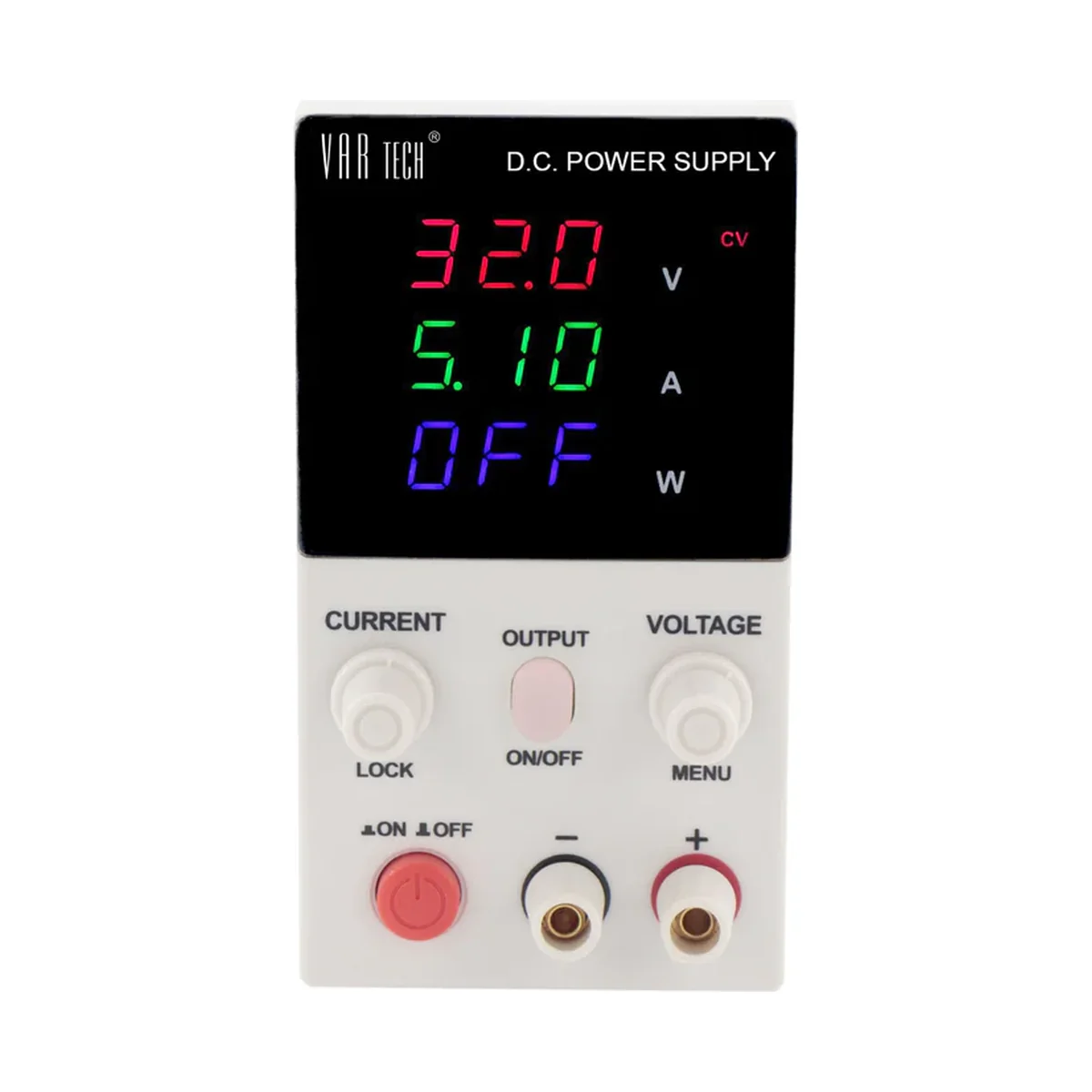
A bench power supply is the first thing you reach for when you bring up a circuit, charge a battery or test a motor. There are many models, so here is how to narrow them down.
Voltage and current
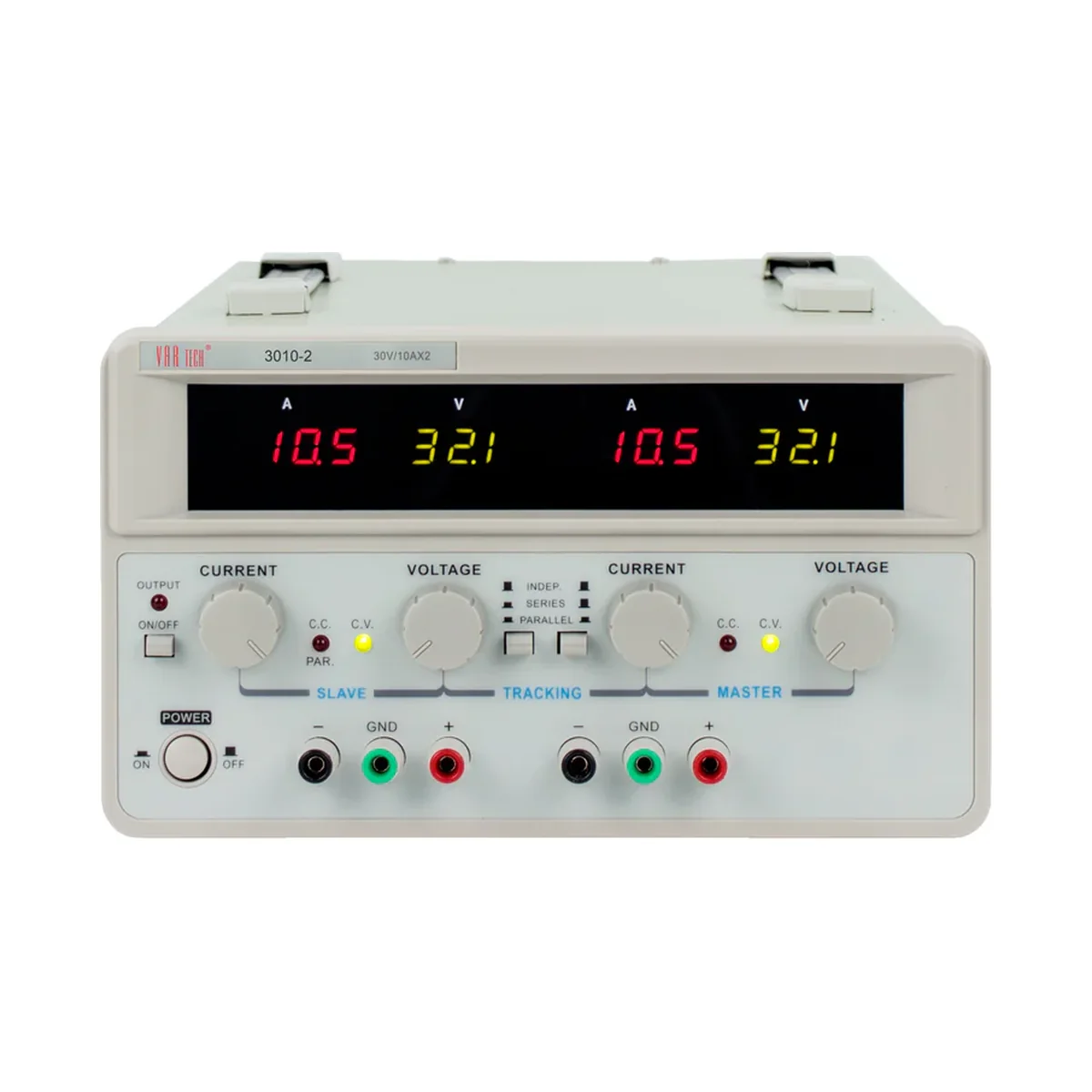
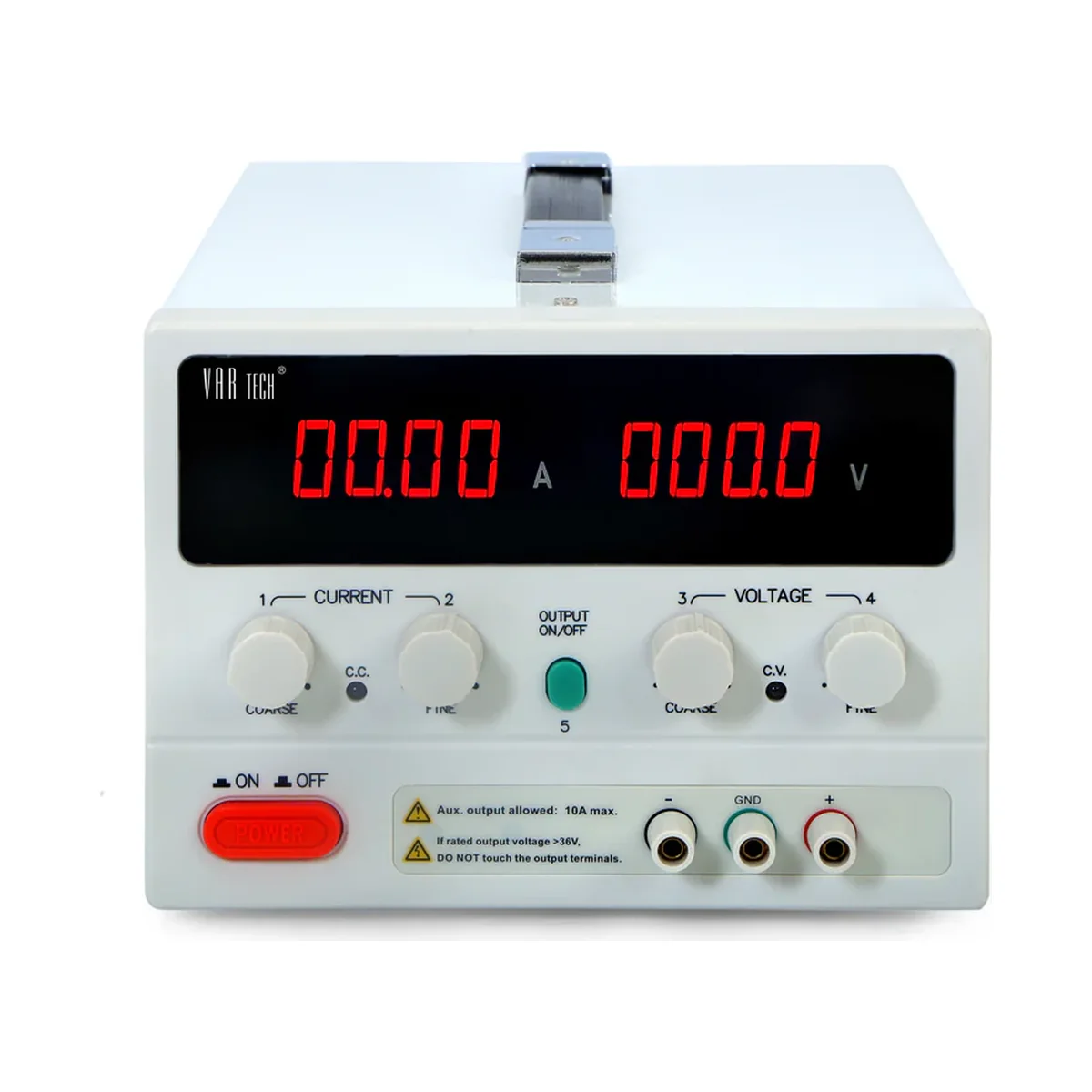
Work out the maximum voltage and current your projects need, then add headroom. A 30 V, 5 A supply covers a lot of electronics work. A 30 V, 10 A or 60 V, 5 A supply gives you room for motors, LED strips and power electronics. The model names tell you the rating: 3010 means 30 V, 10 A.
Constant voltage and constant current
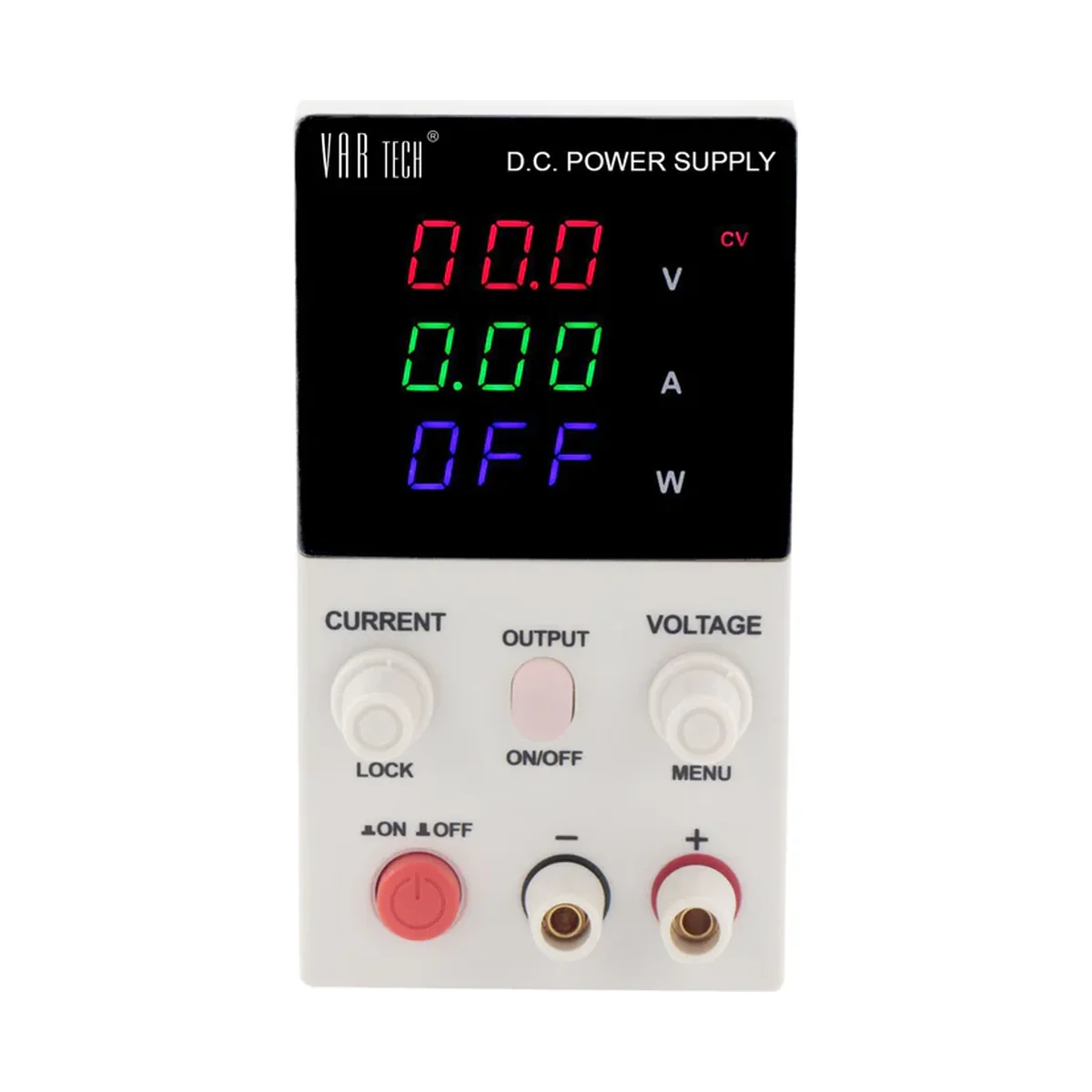
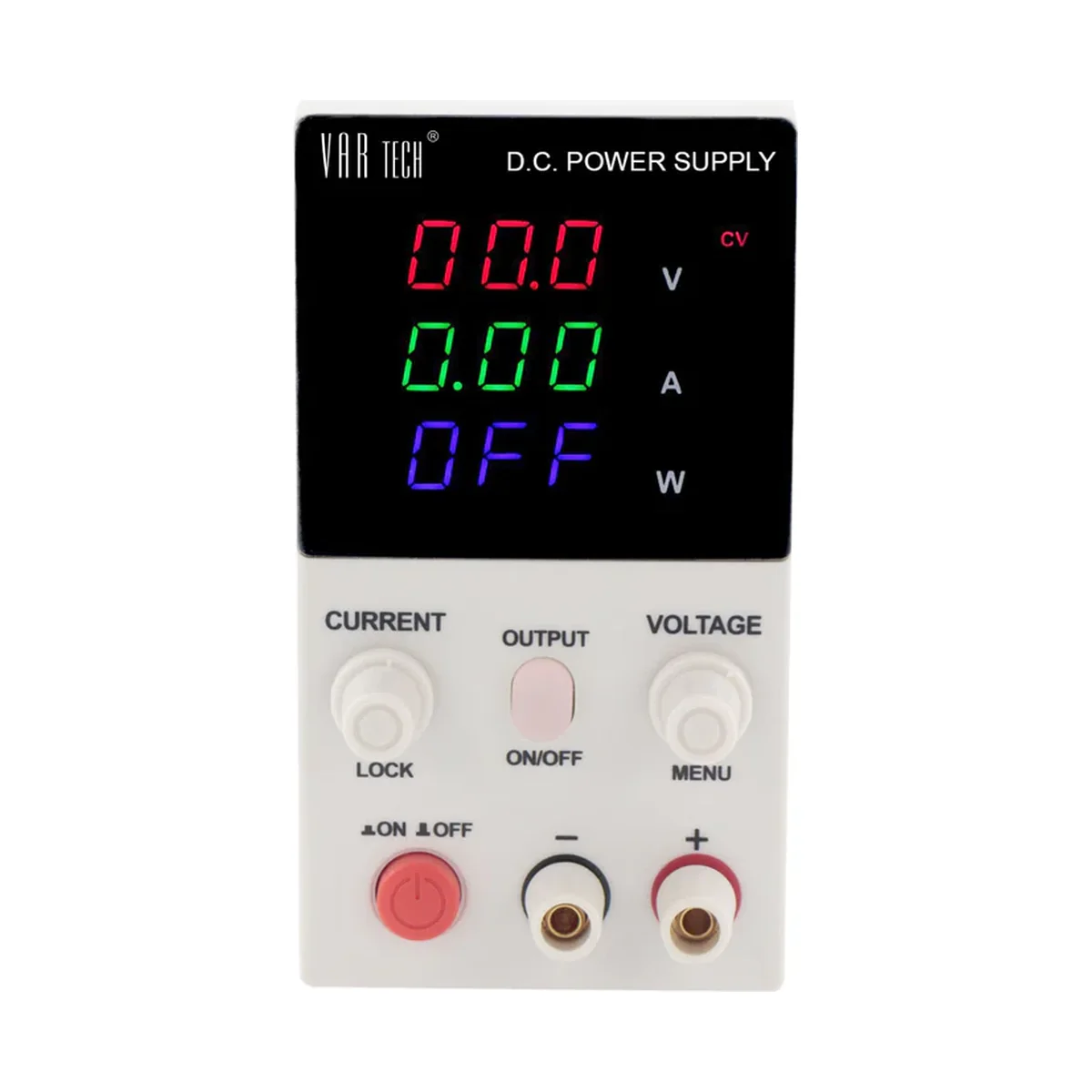
A good supply regulates the voltage and also lets you set a current limit. The limit protects your circuit and the supply if something shorts. Always set it before you power up an unknown design.
Linear or SMPS
- Linear: very low noise and ripple, heavier and warmer. Best for sensitive analog and audio work.
- SMPS: lighter, smaller and more efficient. Best for higher power, digital and general electronics.
Dual output, programmable and PC control
- Dual output supplies power two rails, for analog circuits that need positive and negative.
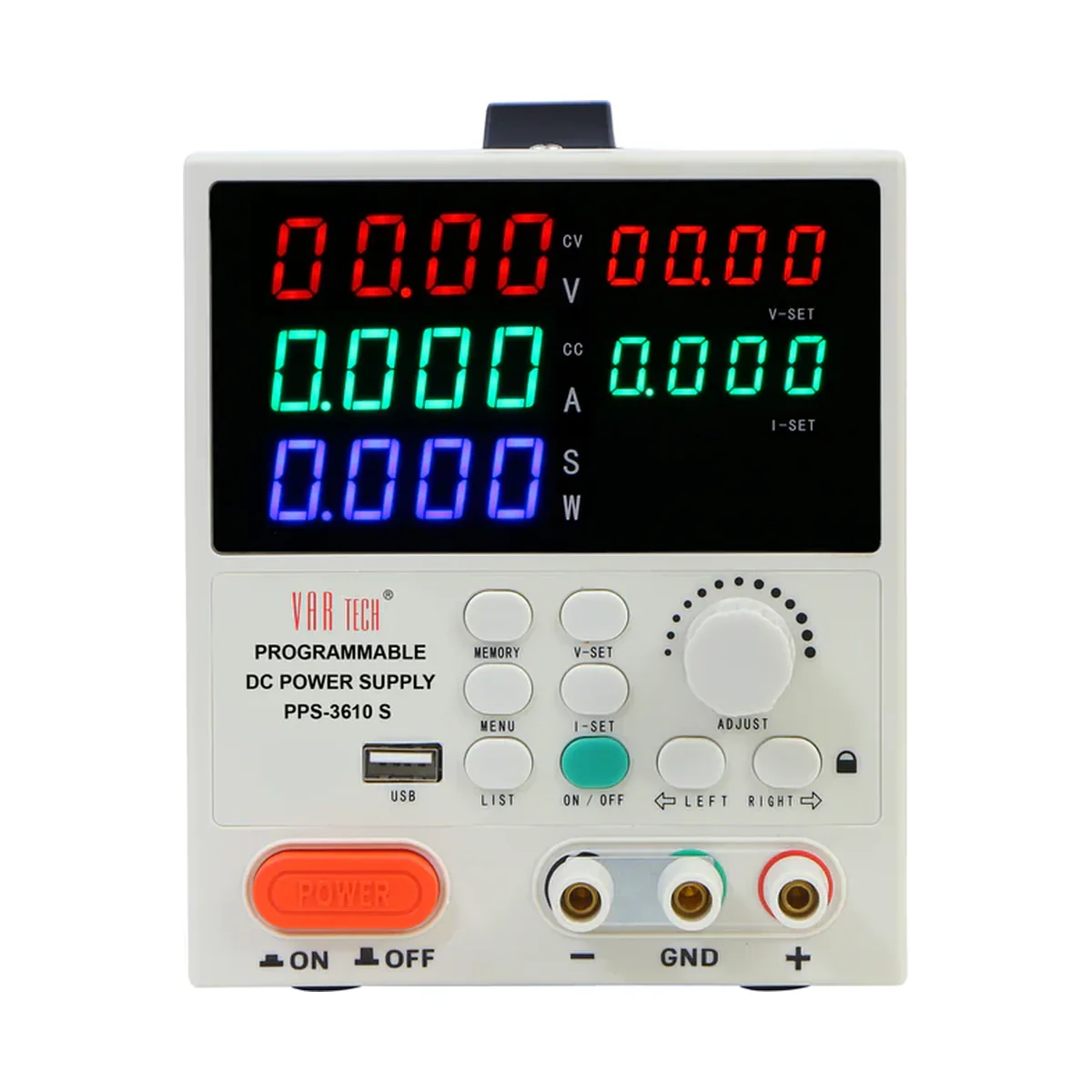
- Programmable models, like the PPS-3610 S, let you store settings and step through voltages.
- A PC interface helps with automated test and logging.