Buying guide · 6 min read · 20 October 2026
How to choose a multimeter: a buyer's guide
True RMS, CAT rating, counts, auto-ranging and bench versus handheld. What actually matters when you buy a digital multimeter in India.
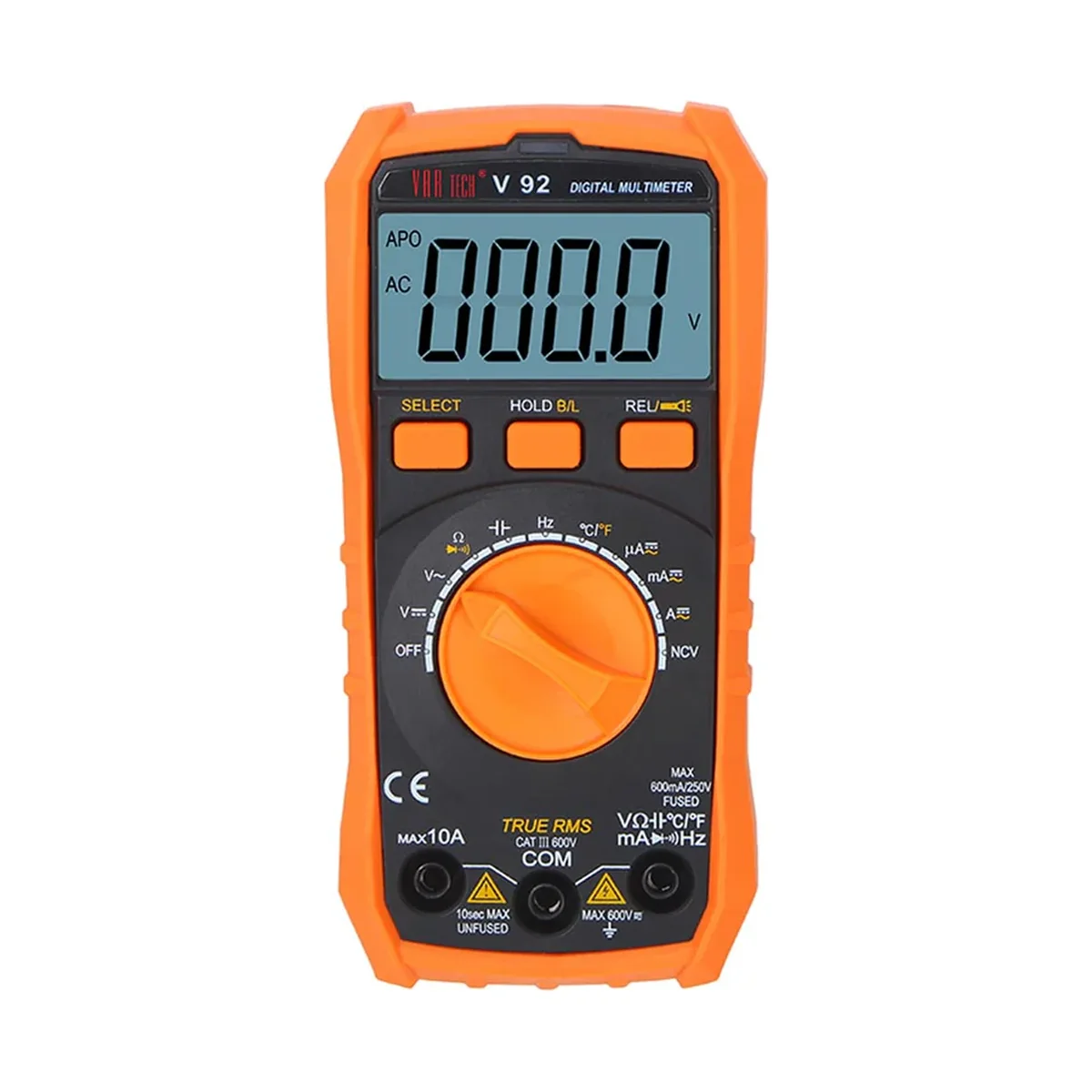
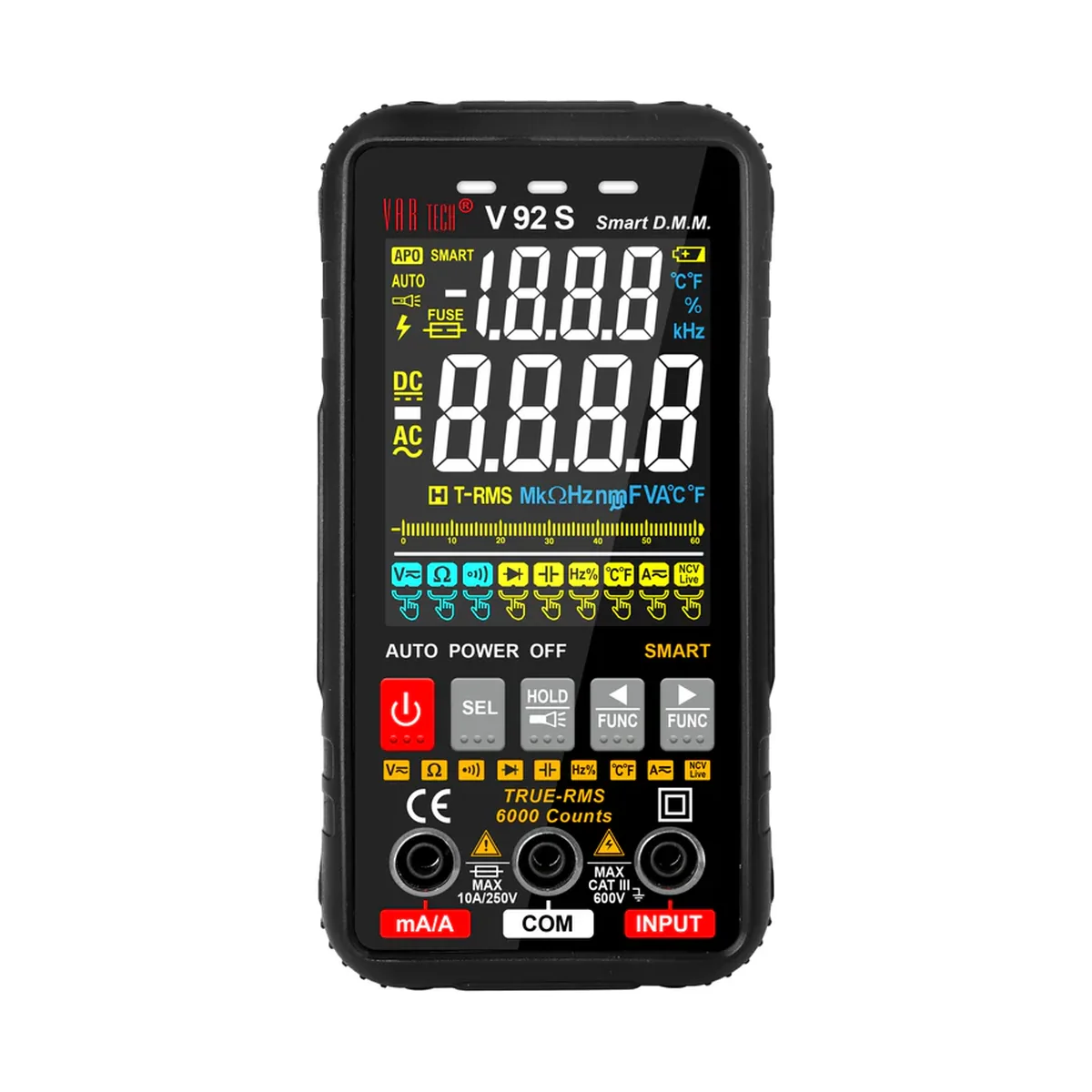
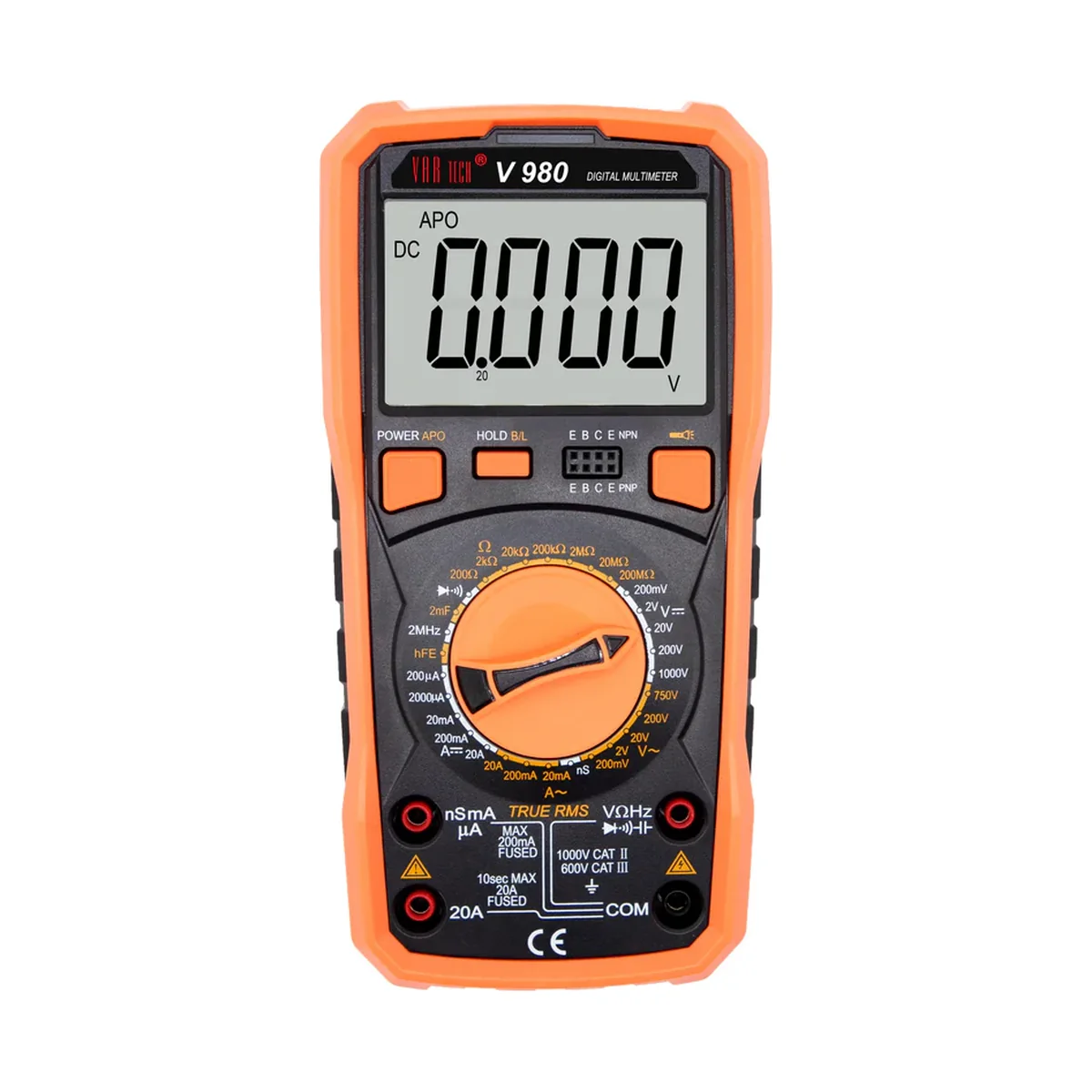
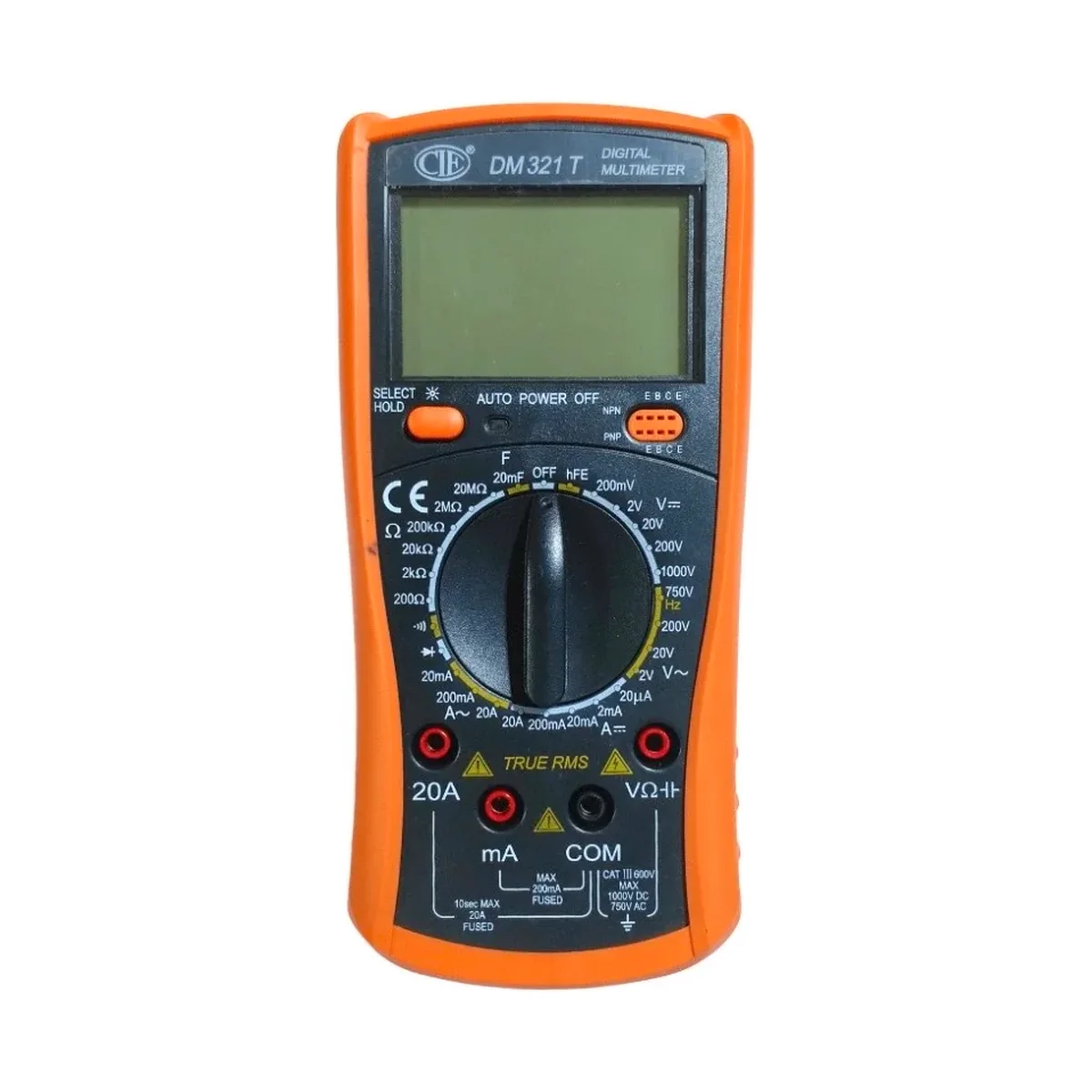
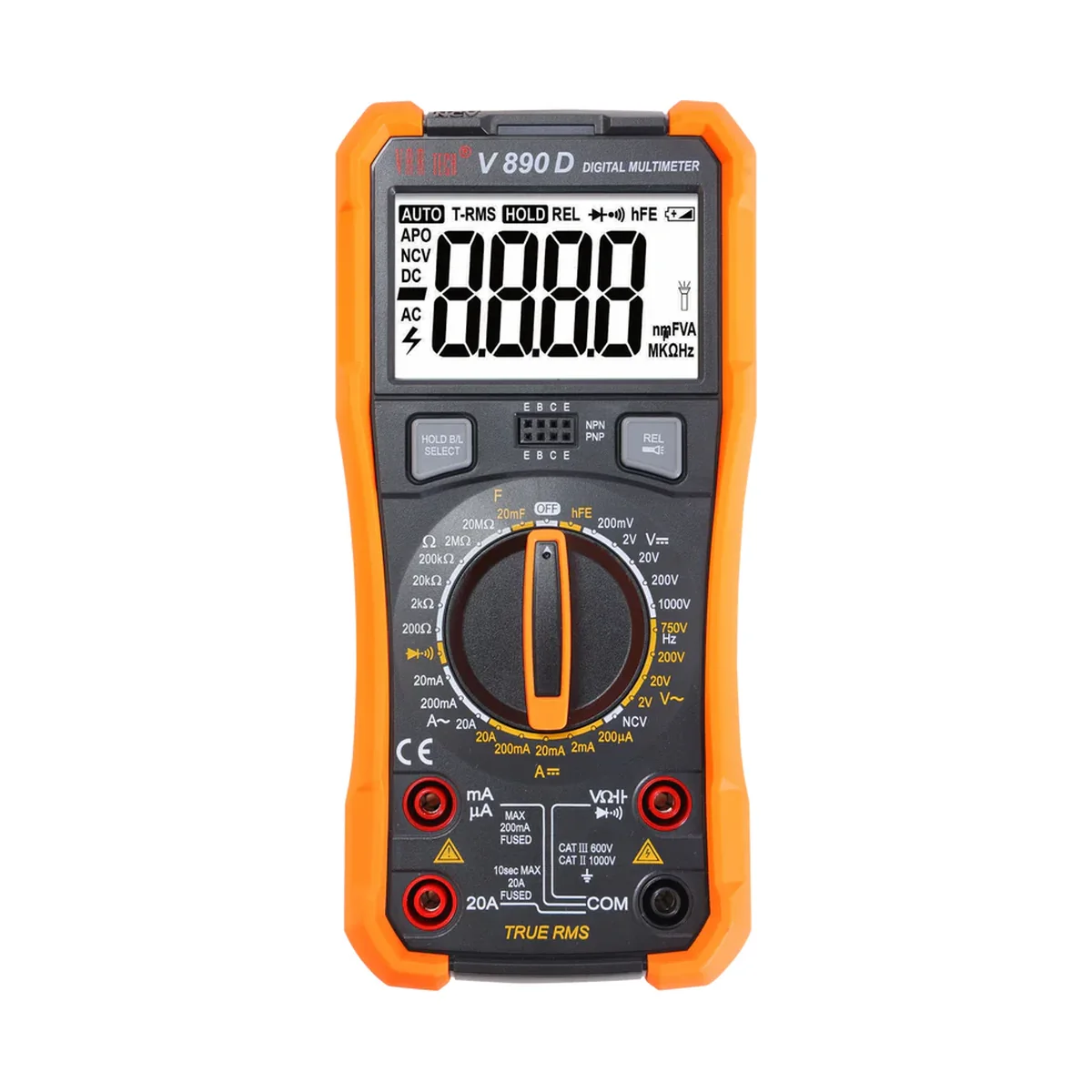
A multimeter looks simple, but the spread between models is wide. A few specifications decide whether a meter is a good fit for your work, and they are not always the ones printed largest on the box.
True RMS or not
A basic meter assumes the signal is a clean sine wave. Many modern loads are not: variable-frequency drives, LED drivers, computers and chargers all draw distorted current. A True RMS meter reads these correctly. If you measure anything beyond a plain resistive load or a mains outlet, choose True RMS.
Safety category (CAT rating)
The CAT rating tells you where a meter is safe to use. A higher category means the meter can withstand larger surge energy, so a meter used on a distribution board should have a higher rating than one used on a low-energy electronics bench. Always use a meter rated for the environment you work in, with leads that carry the same rating.
Counts, resolution and ranging
- Counts set the finest resolution. A 20000-count meter shows finer detail than a 2000-count meter, which matters for low-voltage electronics.
- Auto-ranging picks the range for you and is quicker to use. Manual ranging is cheaper and some people prefer the control.
- Check the maximum current rating, usually 10 A or 20 A, if you measure motor or supply currents directly.
Extra functions worth having
- Capacitance and frequency for electronics repair.
- Temperature probe for HVAC and heating checks.
- Backlight for work in poor light.
- PC interface on bench meters if you log readings.
Handheld or bench
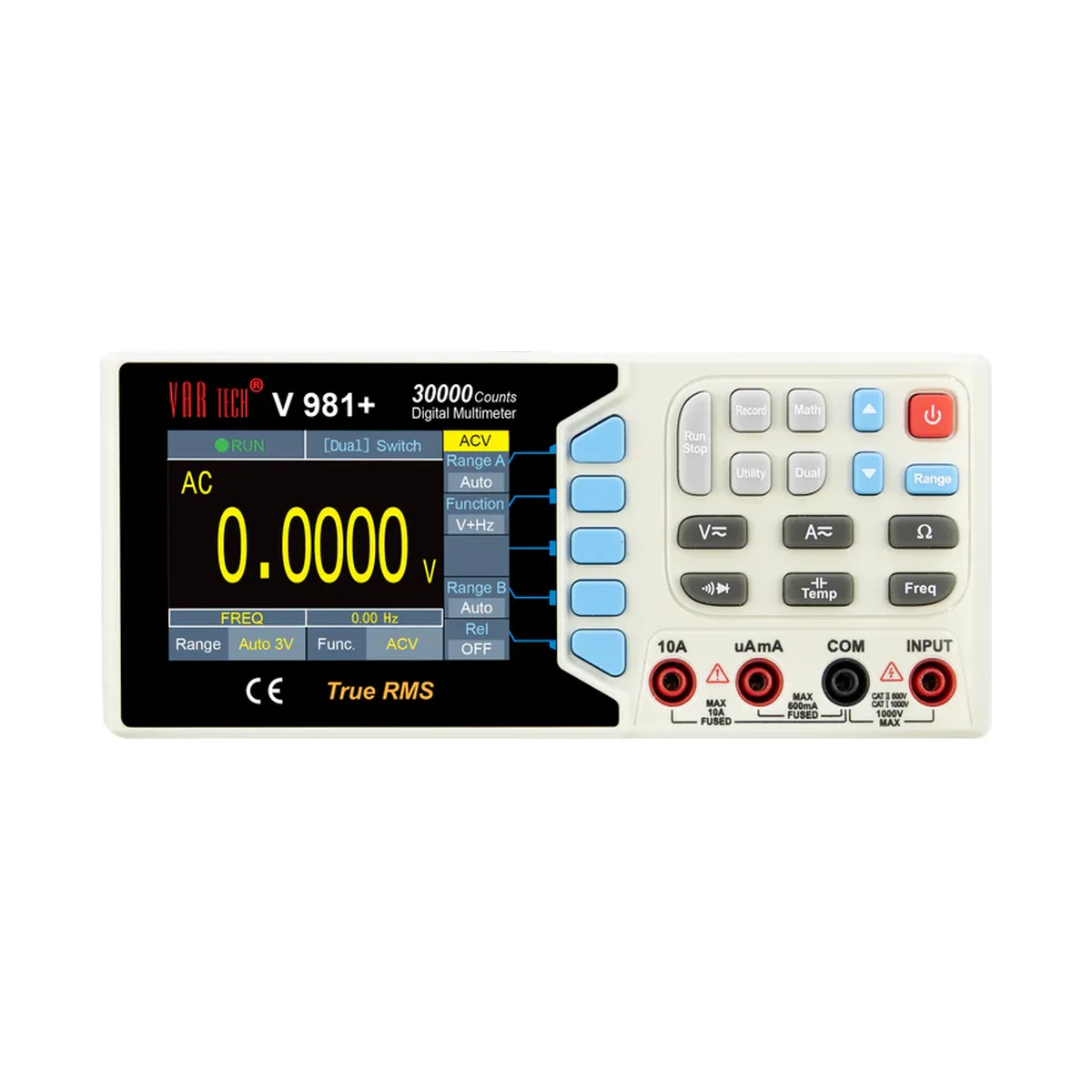
A handheld meter is what most people need. A bench multimeter, like the V 981+, has a larger display and better resolution for lab work, and can log to a PC.