Buying guide · 6 min read · 20 October 2026
How to choose an insulation tester
Test voltage, resistance range, analog or digital, hand-driven or motorised: a plain guide to picking the right insulation tester for motors, cables and switchgear.
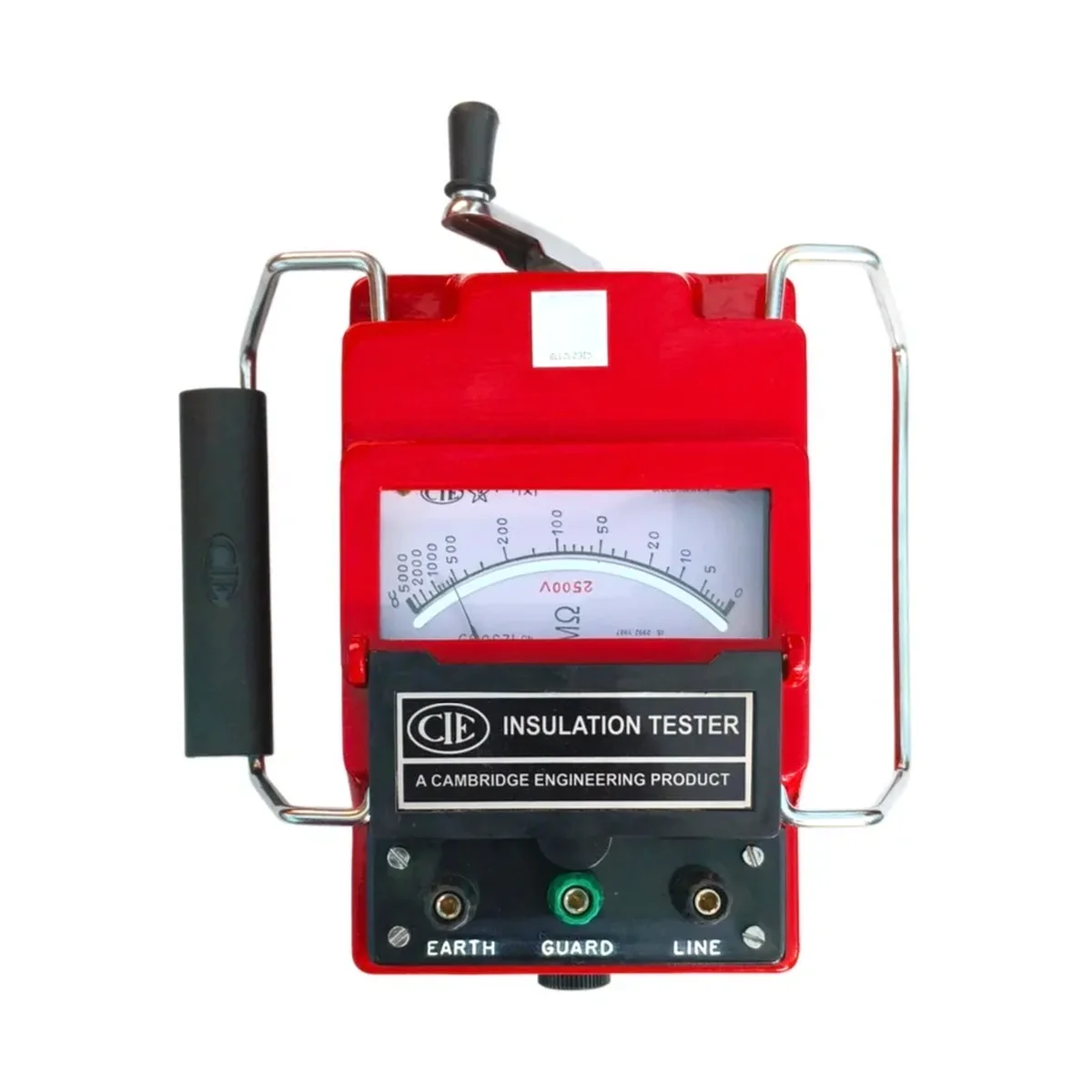
An insulation tester, often called a megger, pushes a high DC voltage through insulation and measures how little current leaks. Healthy insulation reads in megohms or gigaohms. A reading that falls over time is an early warning that a motor, cable or transformer is on its way out. Choosing one comes down to four decisions.
1. Choose the test voltage
The test voltage should suit what you are testing. Higher voltage stresses the insulation harder and finds weaker spots, but you must never exceed what the equipment can safely take.
- 250 V and 500 V for low-voltage wiring, small motors and electronics-related circuits.
- 1000 V for 415 V motors, panels and general industrial wiring.
- 2500 V and 5000 V for HT motors, HT cable, transformers and switchgear.
Many instruments are made for a single rated voltage. Multirange models, such as the CIE/444/MR and CIE/666/MR, give you several voltages in one case, which is useful if you test many kinds of equipment.
2. Check the resistance range
Look at the highest resistance the tester can display. Modern motors and good cable run into the gigaohms, and a tester that tops out at 100 MΩ will simply show infinity. For routine motor and panel work, a range reaching several thousand megohms is comfortable. For HT cable and transformer work, look for GΩ ranges.
3. Analog or digital
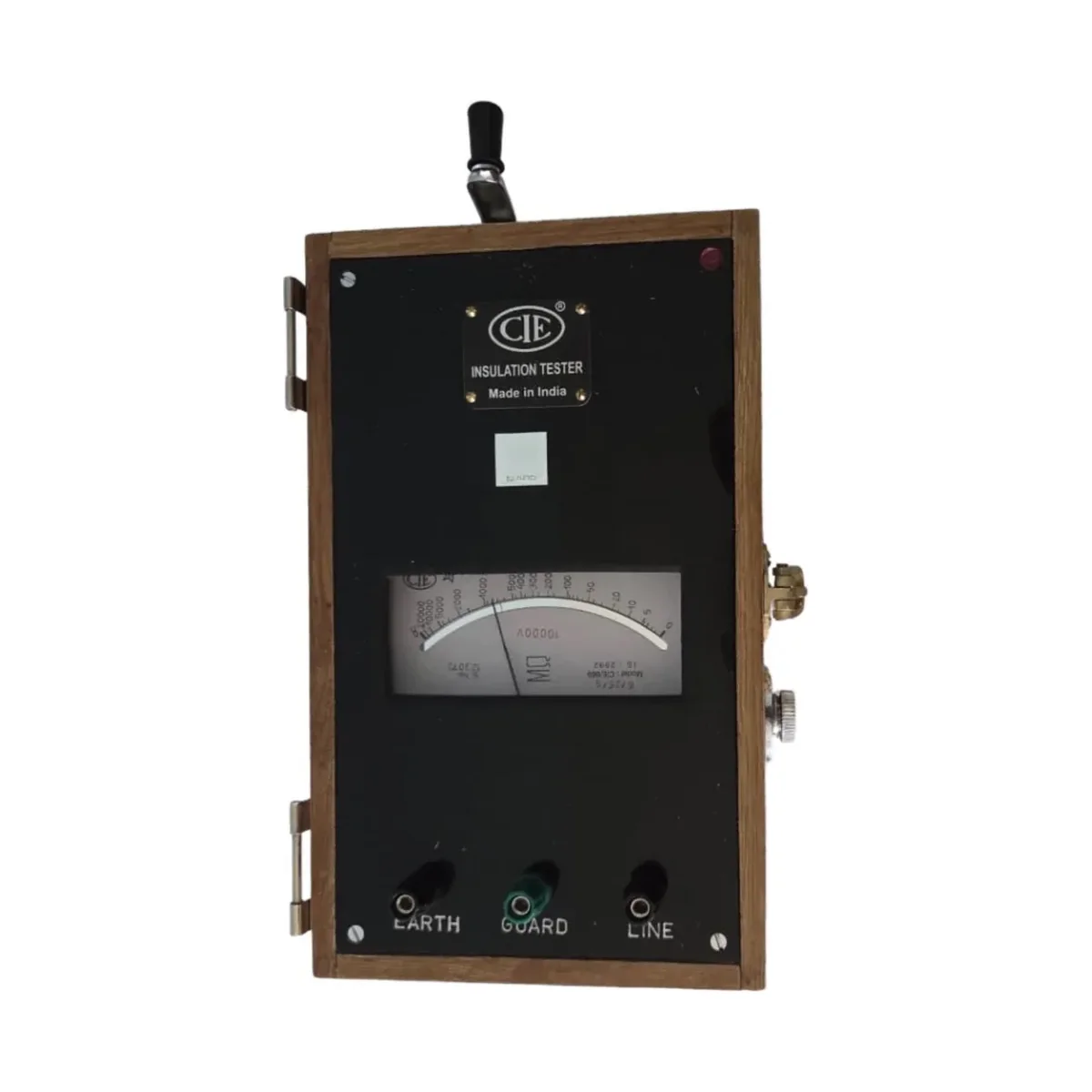
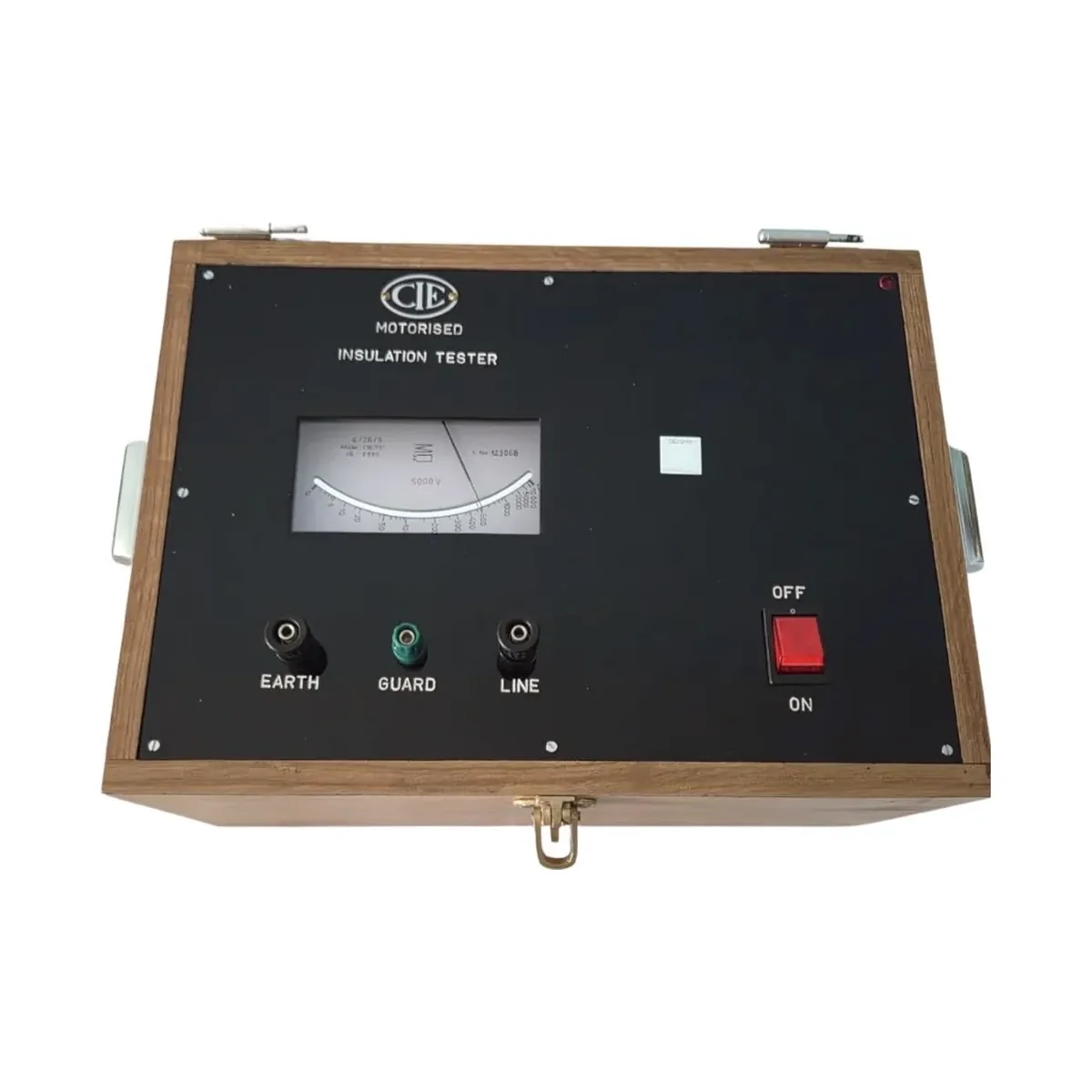
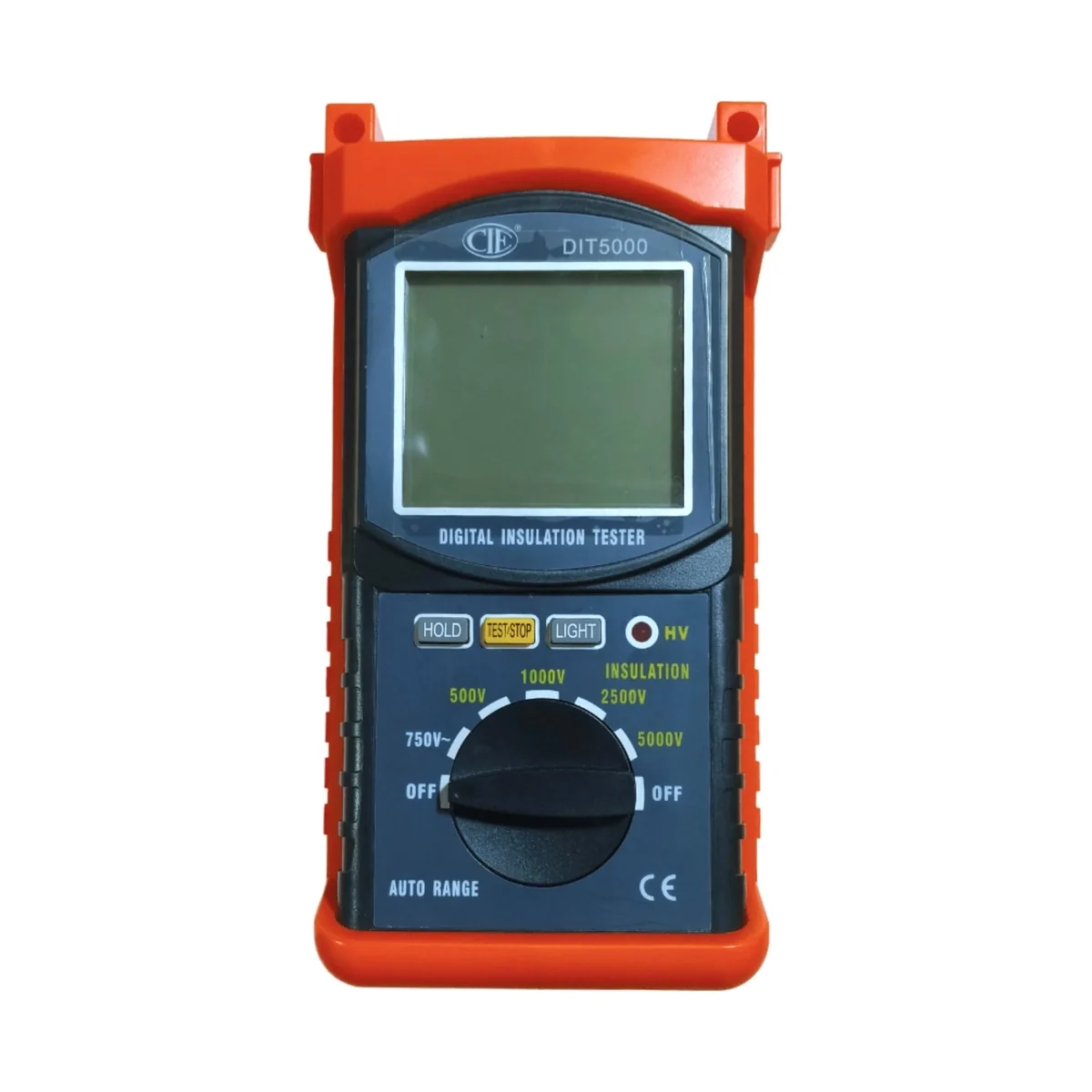
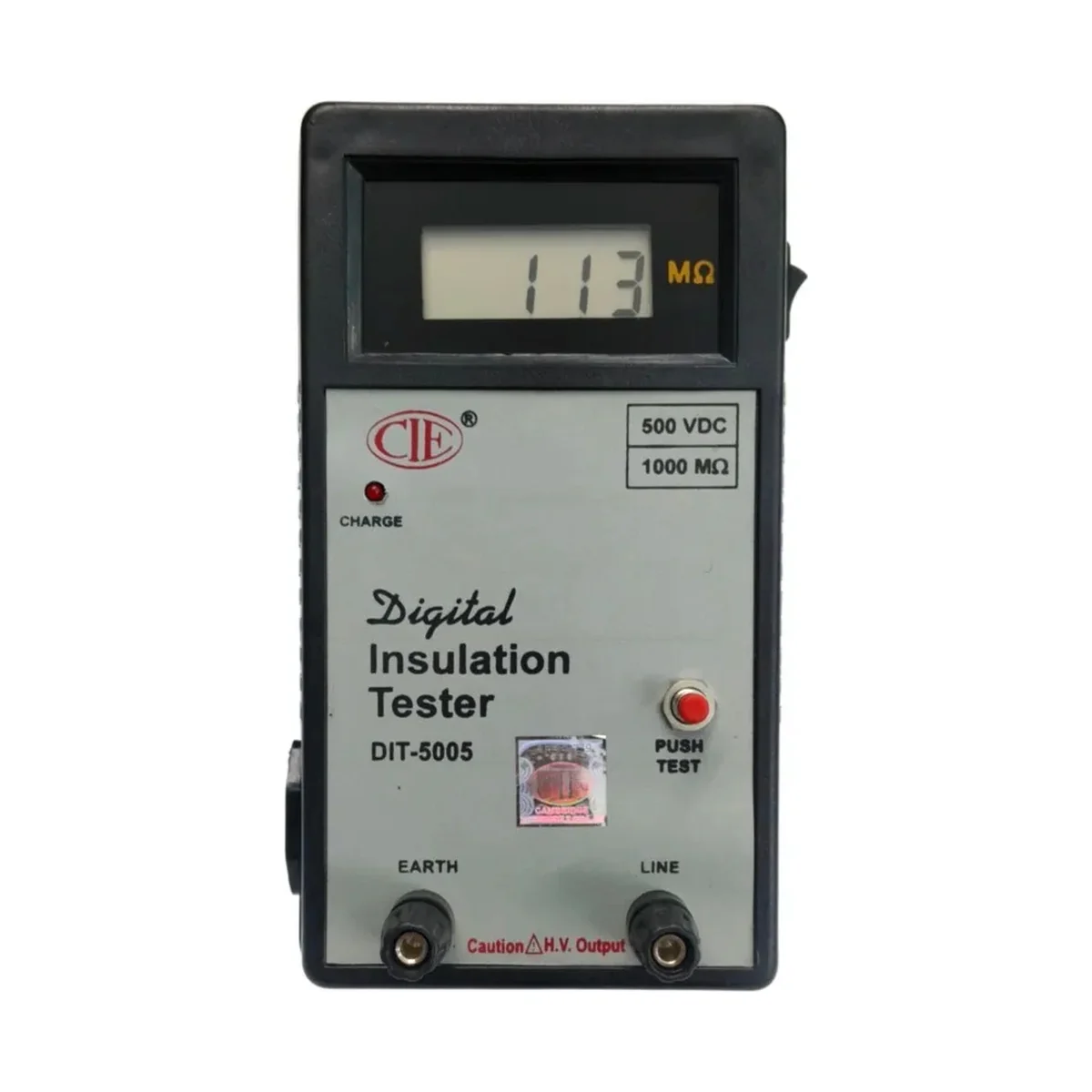
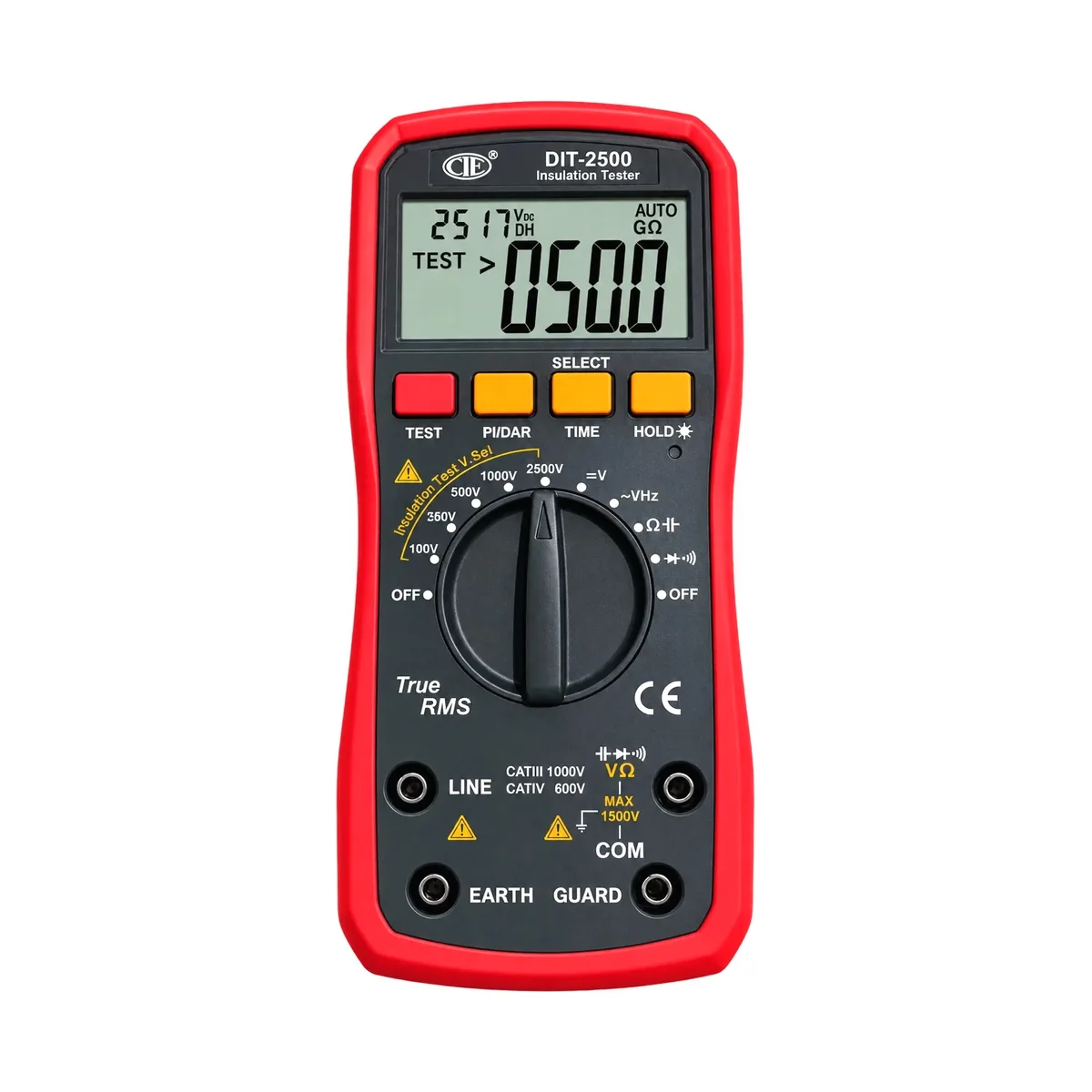
Analog hand-driven testers, like the CIE/444 and CIE/666, generate their own test voltage from a crank. They need no batteries and are very robust, which is why they are still the choice for maintenance gangs. Motorised models such as the CIE/777 turn the crank for you, which helps on long tests where you need a steady voltage. Digital testers like the DIT-5000 and DIT-5005 give a clear numeric reading and are easier for quick spot checks and lab work.
4. Think about how you will use it
- Testing in the field with no mains: a hand-driven or motorised analog tester.
- Long-duration tests that need steady voltage: a motorised model.
- Quick checks by many different people: a digital model with a clear display.
- Testing a wide mix of equipment: a multirange model.
Not sure which one?
Tell us what you will test and where, and we will point you to the right model. Call 98300 91260 or browse the full range below.