Buying guide · 6 min read · 20 October 2026
Soldering station buying guide: wattage, temperature control and tips
Choosing between a soldering iron and a soldering station, how much wattage you need, and why lead-free and ESD-safe matter.
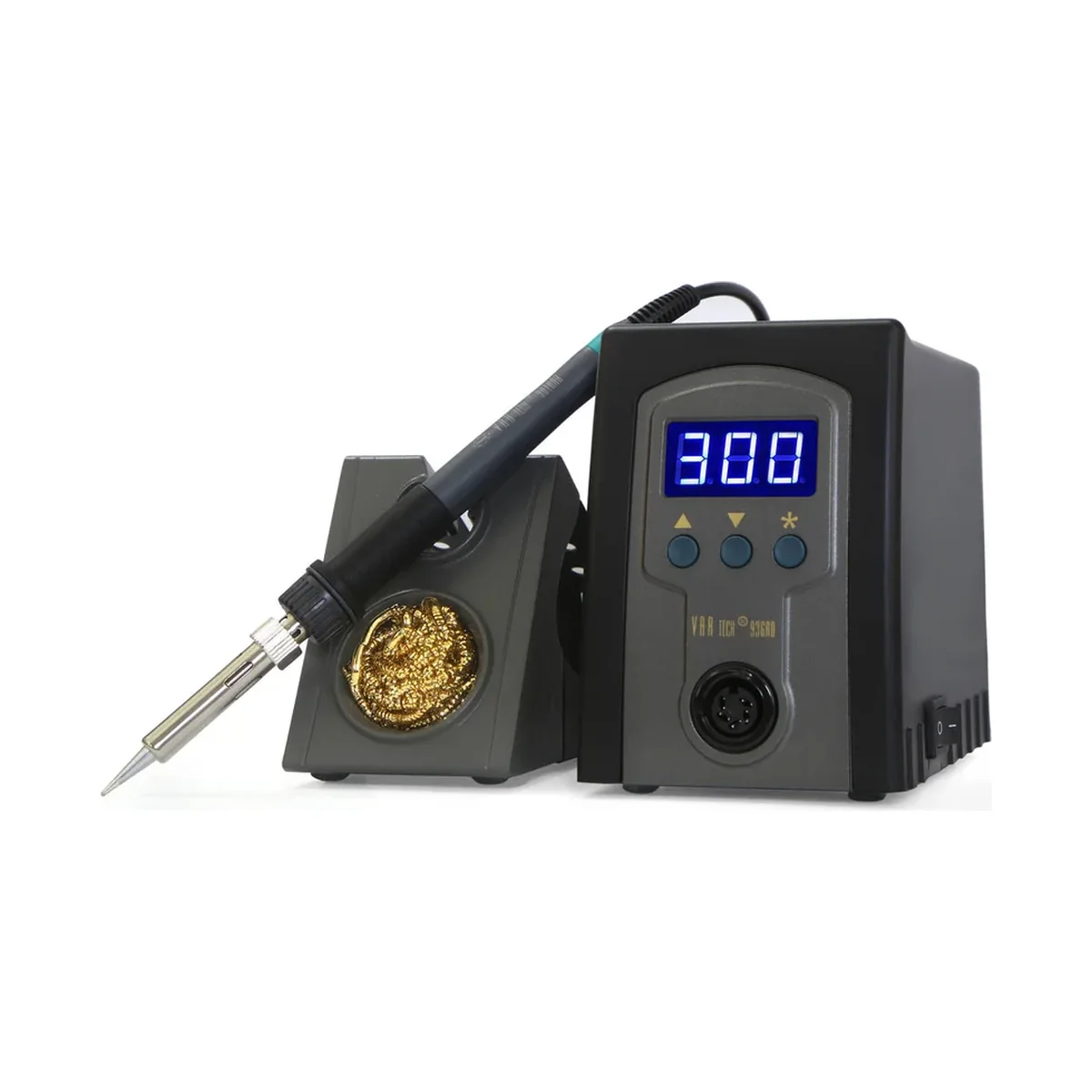
A soldering iron heats up and that is all. A soldering station heats up, holds a set temperature and recovers when you touch a cold pad. For anything beyond occasional jobs, the station gives better joints and makes tips last longer.
Iron or station
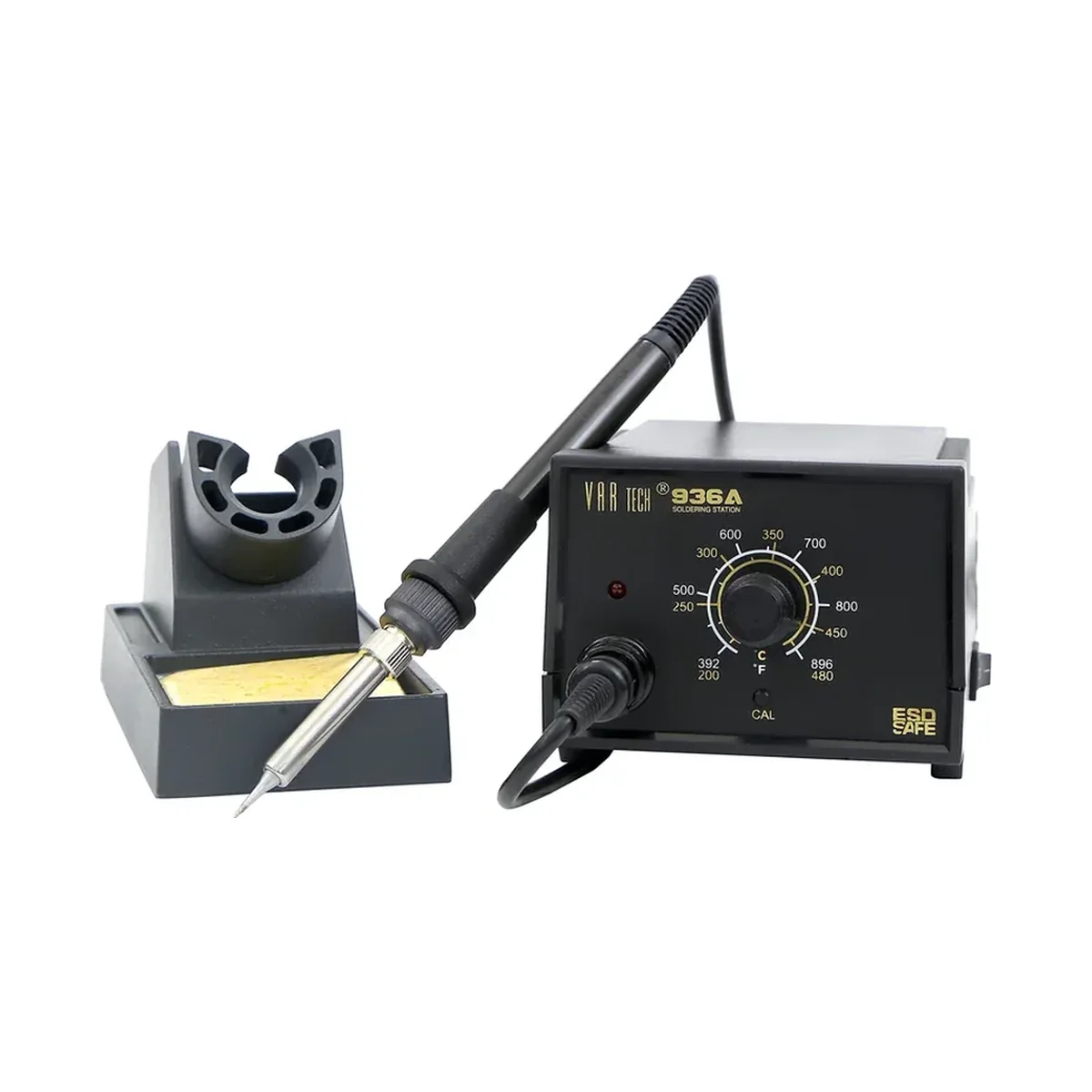
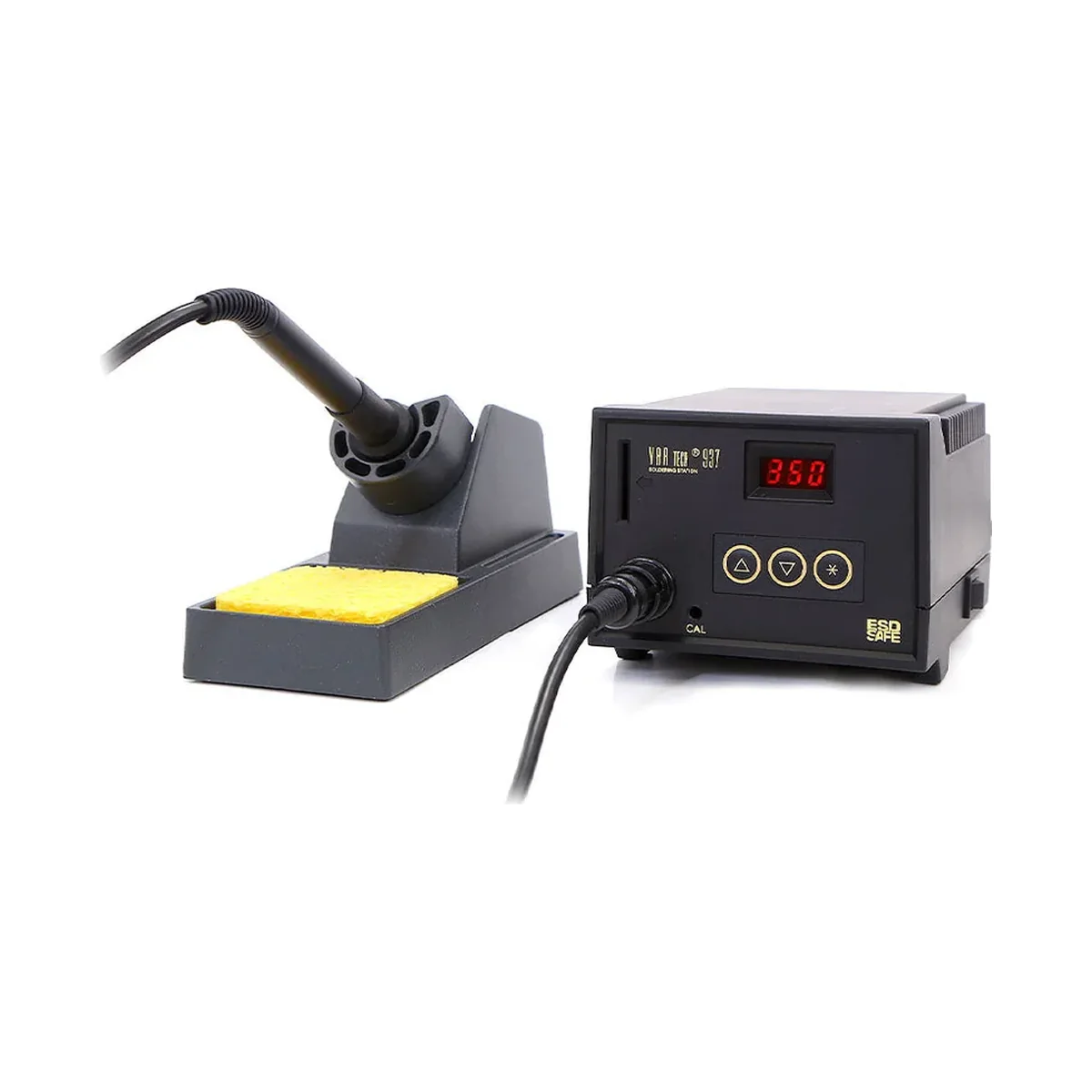
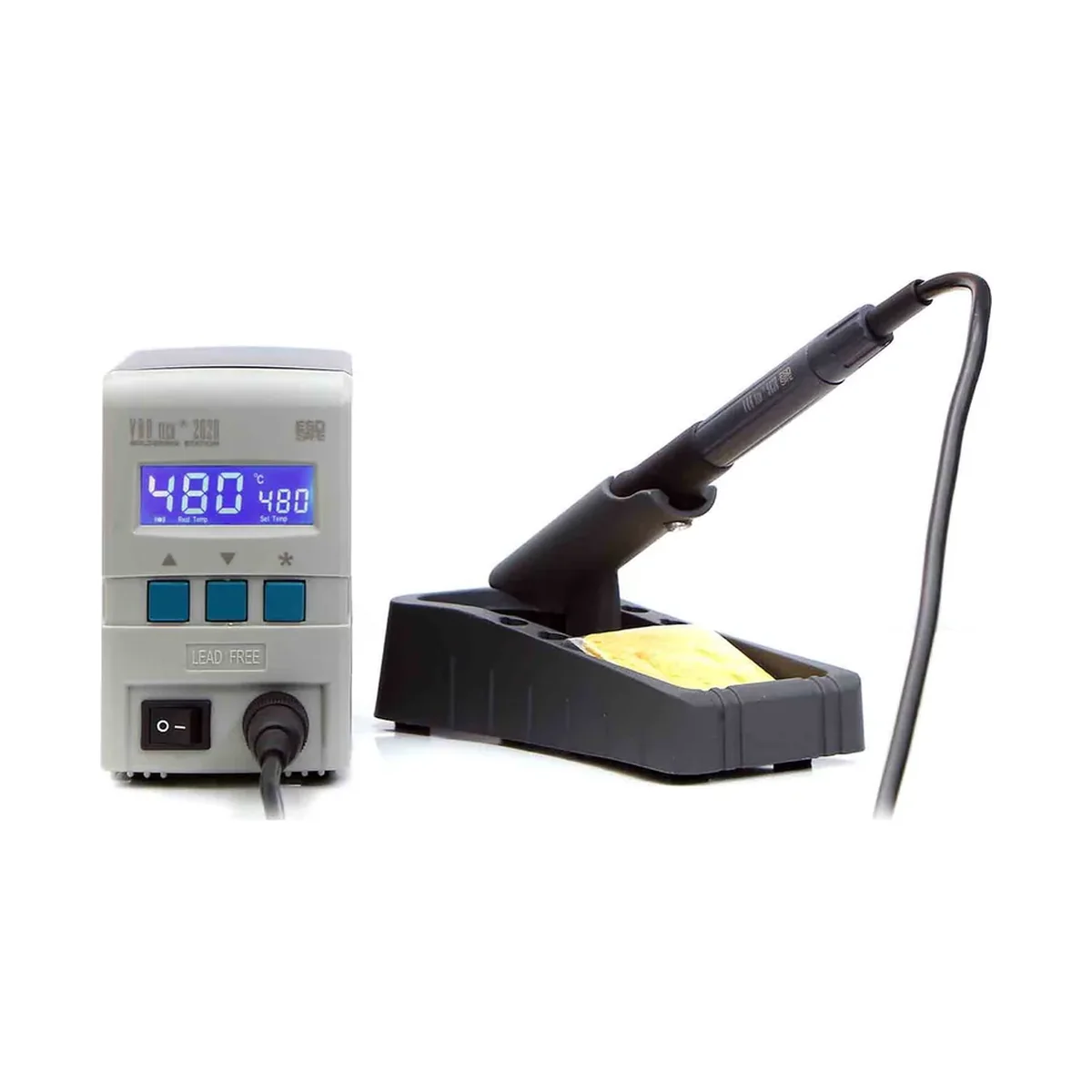
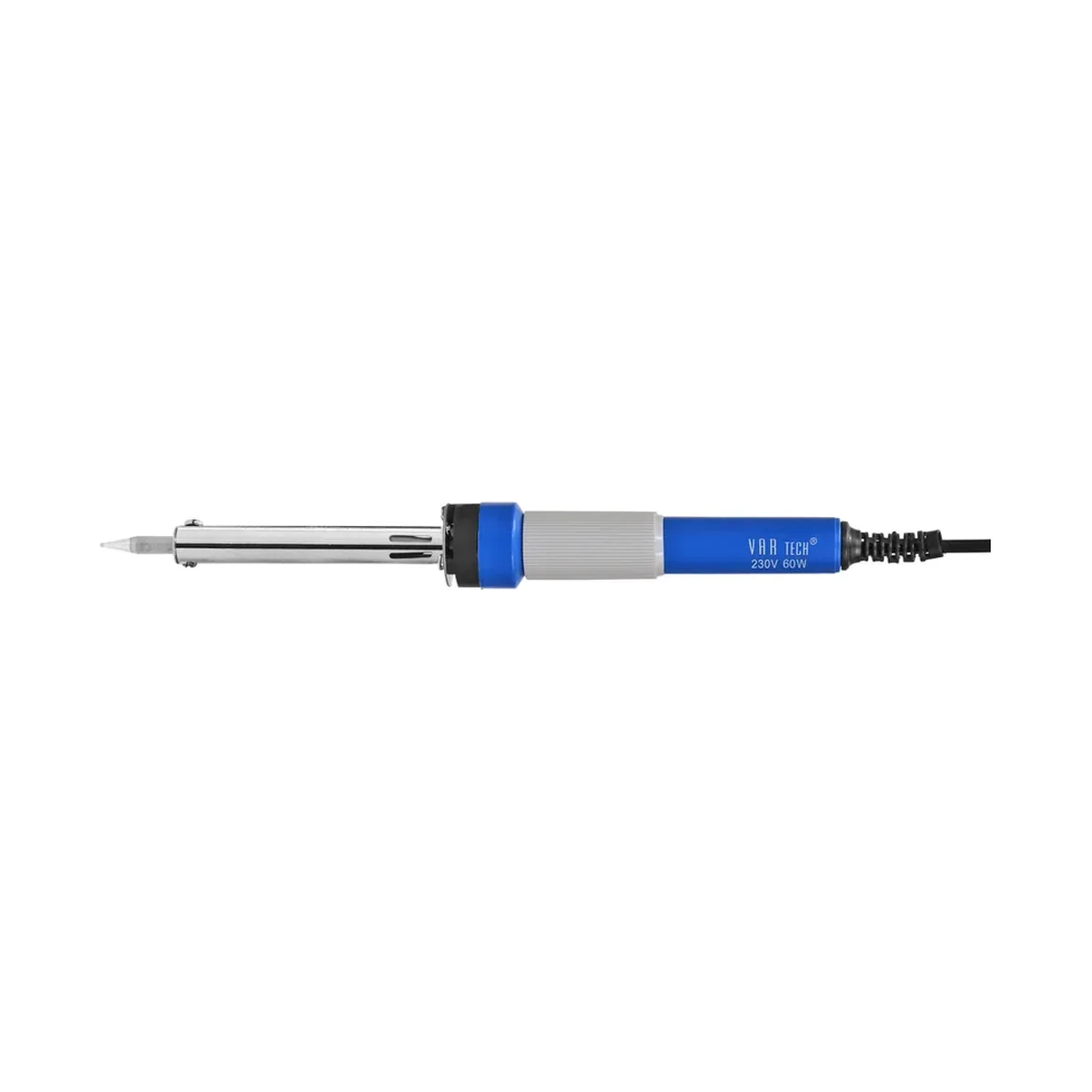
A plain iron like the SI-30W or SI-60W is fine for wires, terminals and simple repairs. If you solder circuit boards regularly, choose a station with temperature control. You set the temperature to suit the solder and the work, instead of guessing.
How much wattage
- Around 25 W to 40 W: fine pitch electronics and small joints.
- Around 50 W to 70 W: general PCB work, a good all-round range.
- 80 W and above: large pads, heavy wire, ground planes and lead-free work.
More wattage is not hotter, it just recovers faster. A good station reaches and holds its set temperature when you load it.
Lead-free needs a lead-free station
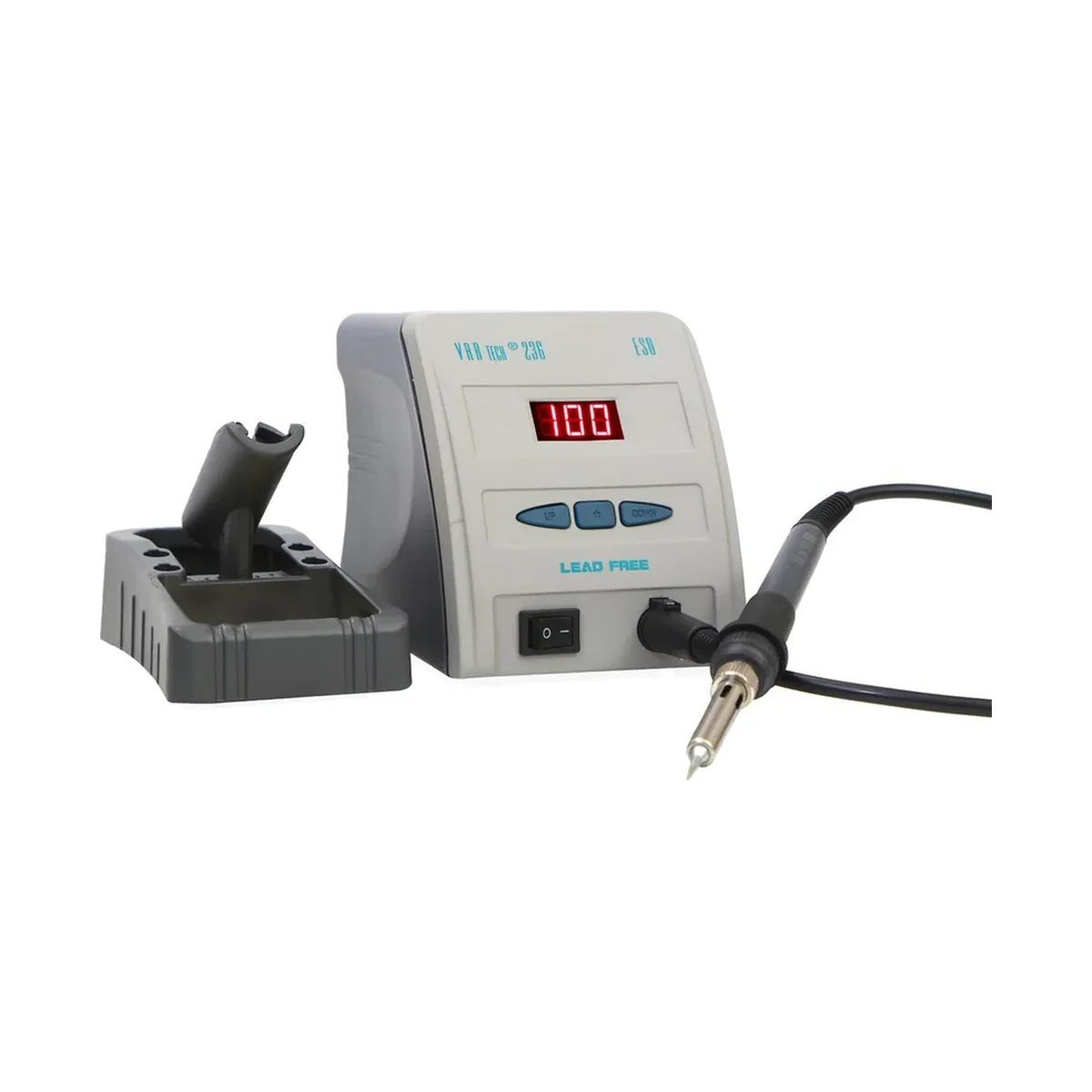
Lead-free solder melts at a higher temperature than tin-lead solder. A station designed for it, like the 236 ESD or 202 D, heats quickly and holds temperature under that higher load.
ESD safe
Static damages sensitive components without any visible sign. ESD-safe stations ground the tip and protect parts. If you work with modern ICs, choose ESD-safe.
Do you also need hot air?
If you replace surface-mount parts, a hot-air station helps a lot, and 2-in-1 models combine it with a soldering iron in one unit. See the SMD Re-Work range.