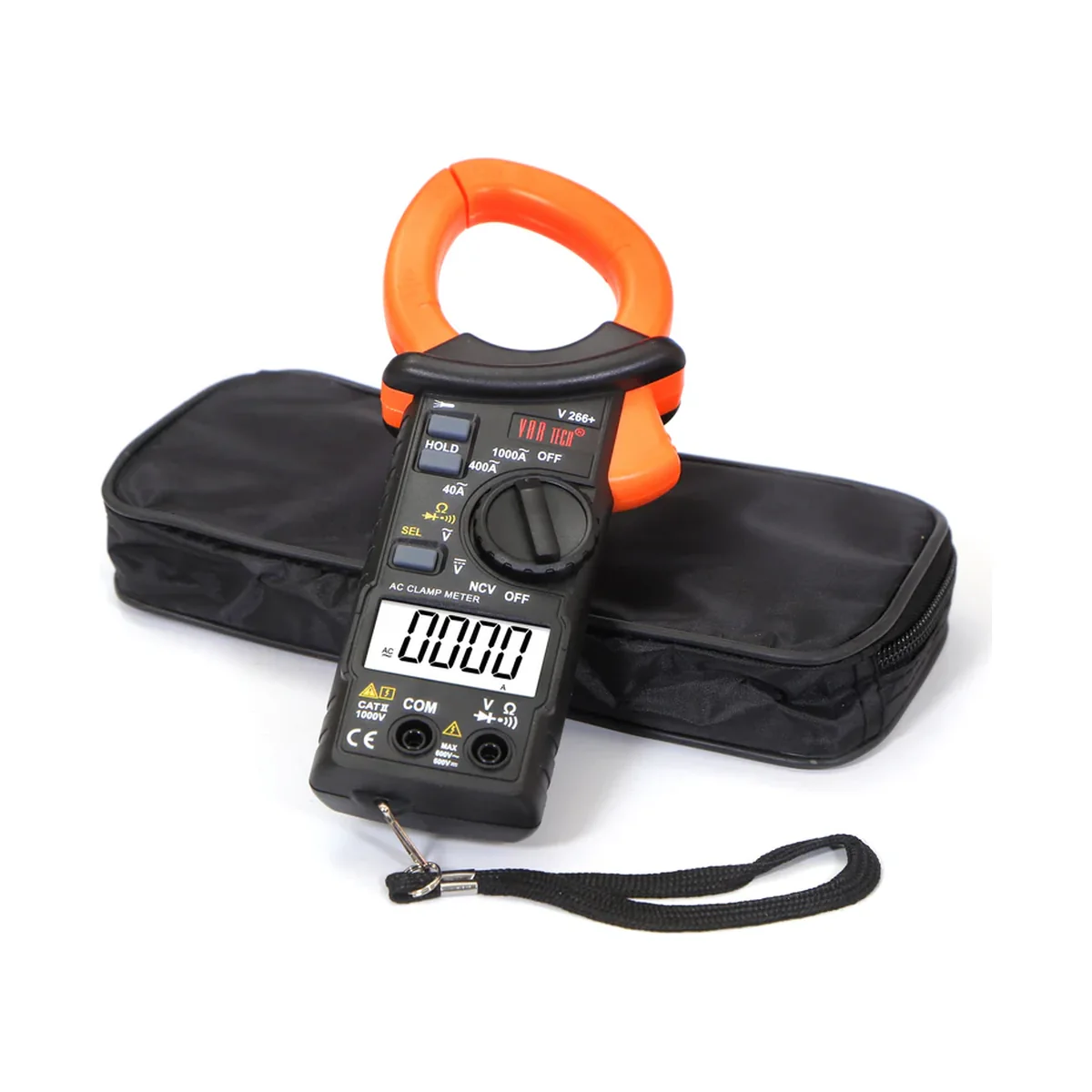
Buying guide · 5 min read · 20 October 2026
Clamp meter buying guide: AC, DC and True RMS explained
How to choose a clamp meter: AC only versus AC/DC, True RMS, jaw size, current range and the extras that are worth paying for.
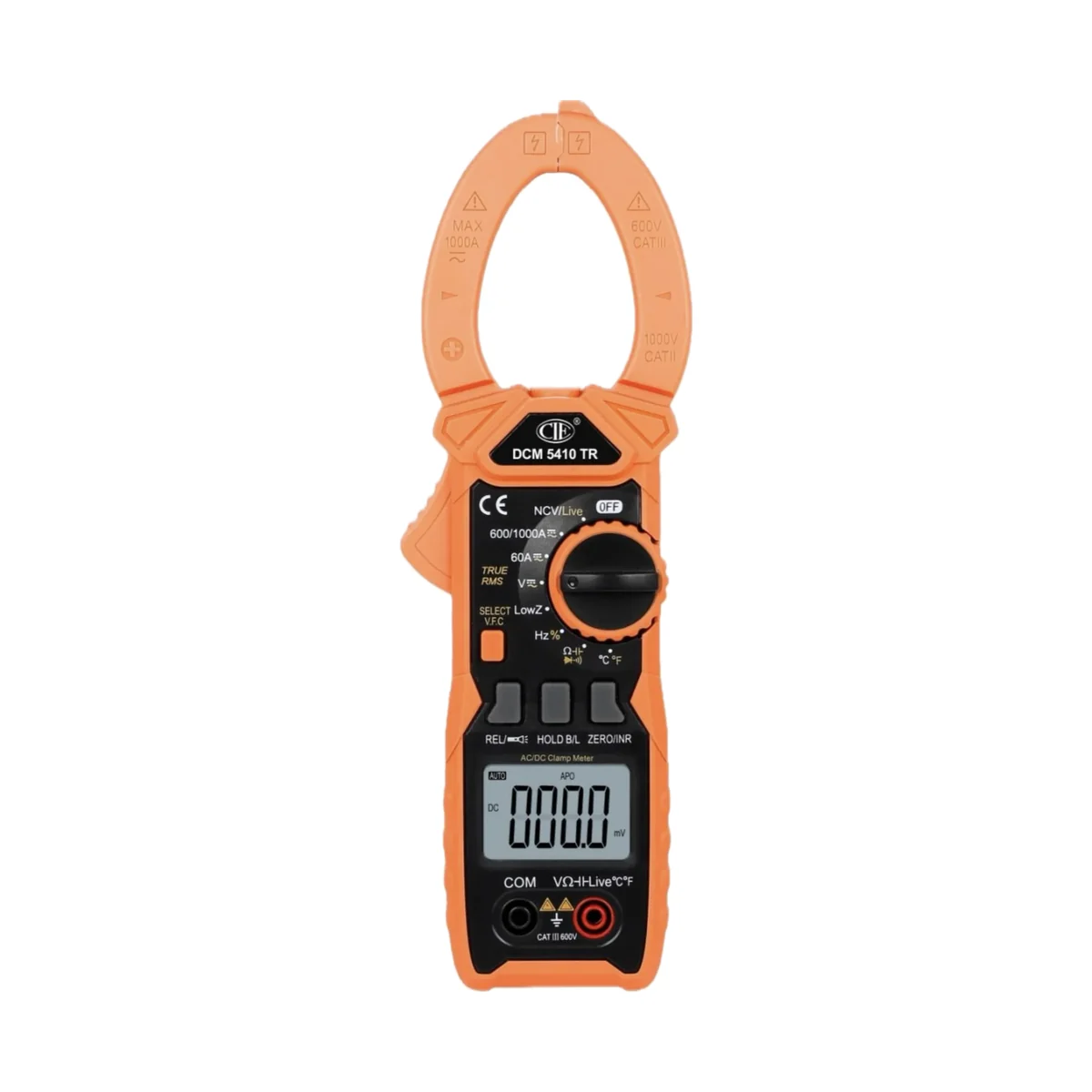
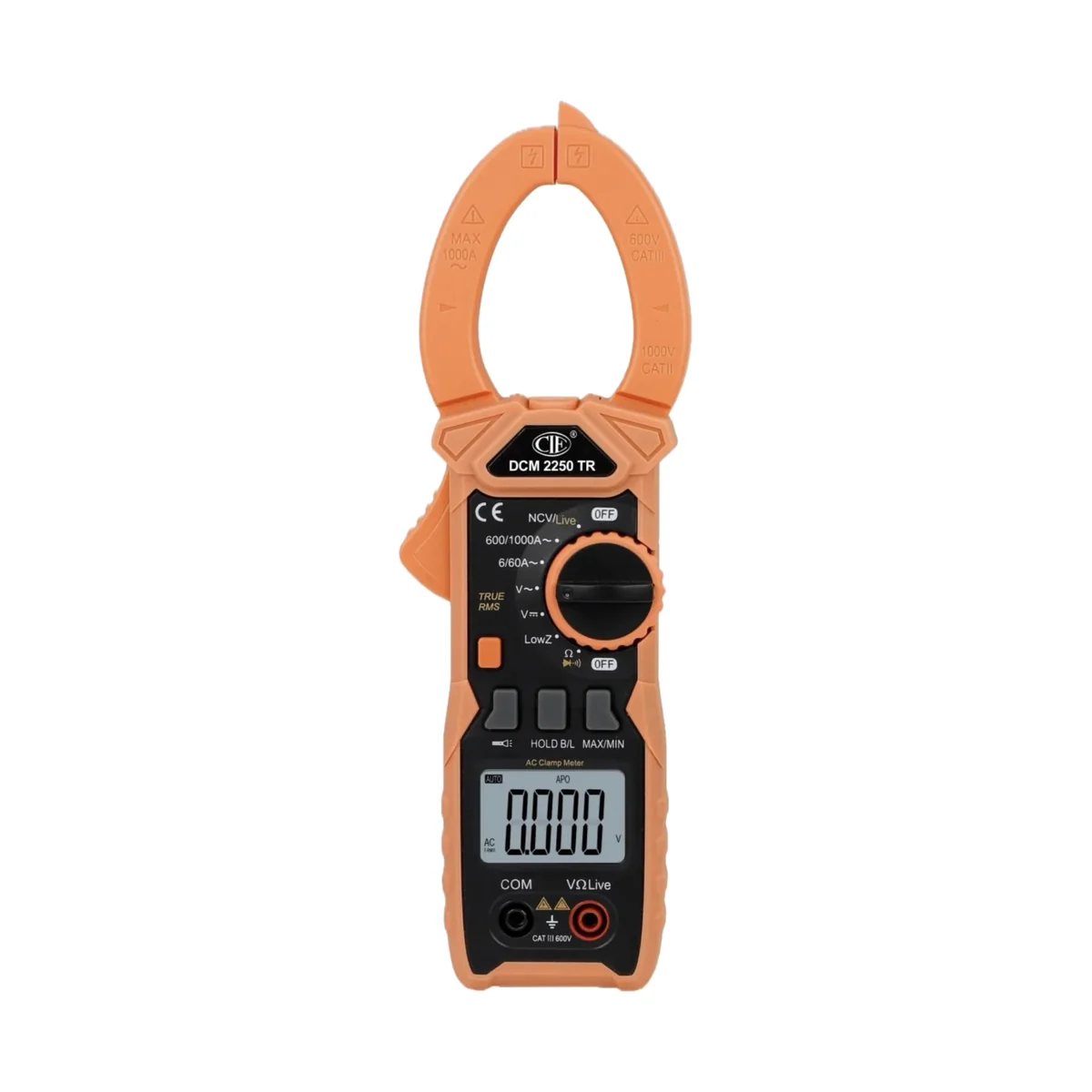
A clamp meter measures current by sensing the magnetic field around a conductor, so you do not have to disconnect anything. That makes it the safest and fastest way to check the load on a motor, feeder or panel. Here is how to choose one.
AC or AC/DC
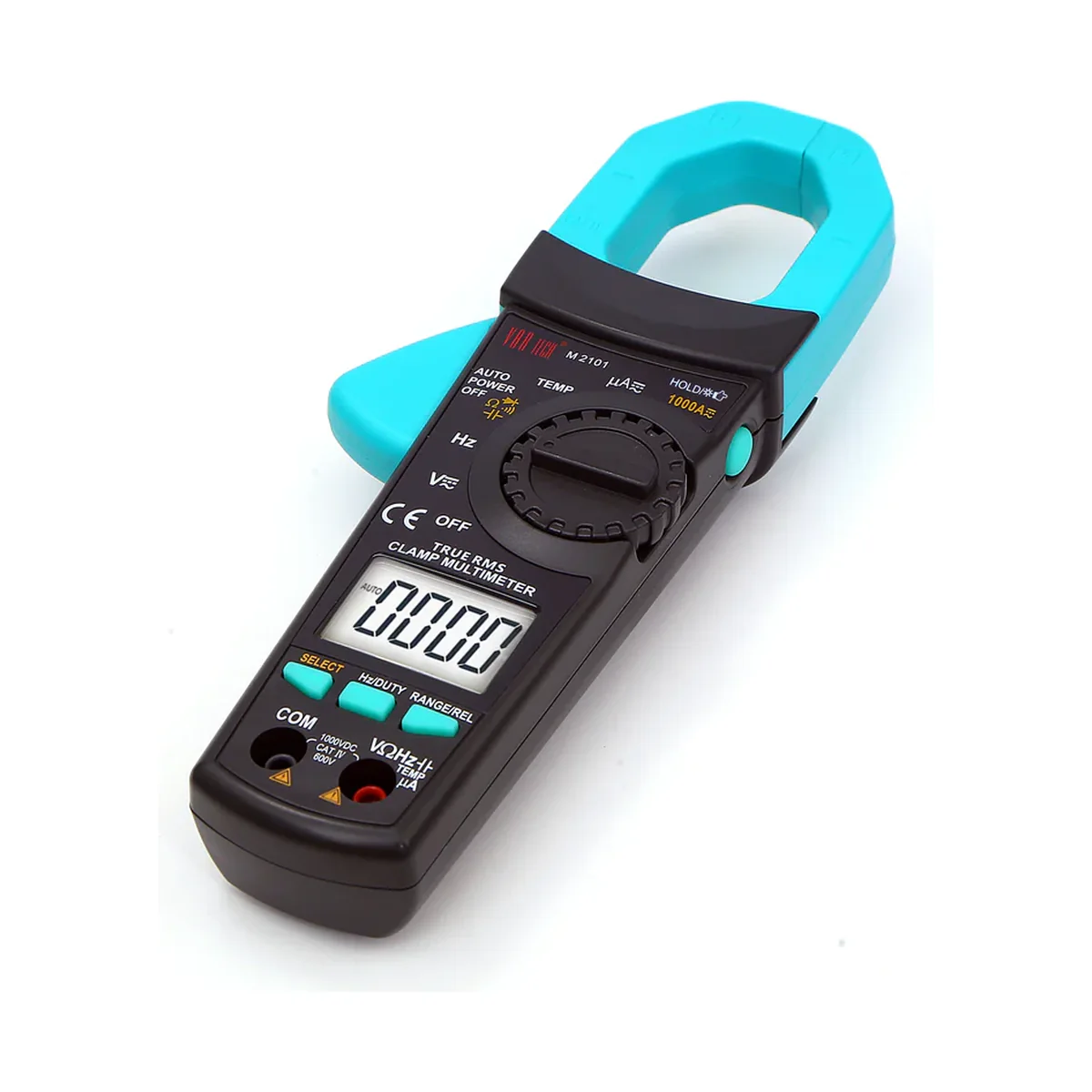
Standard clamp meters measure AC current only, which covers most building, motor and panel work. If you work on solar systems, battery banks, EV chargers or DC drives, you need an AC/DC clamp meter. The DCM 5410 TR and M 2101 measure both.
True RMS
Just like multimeters, clamp meters should be True RMS if you measure drives, LED lighting, switched-mode supplies or other distorted loads. A basic meter can read well off on those currents.
Current range and jaw size
- Pick a range with headroom over your largest load. 200 A models suit domestic and light commercial work. 1000 A models cover industrial feeders.
- Check the jaw opening fits around your cable or busbar.
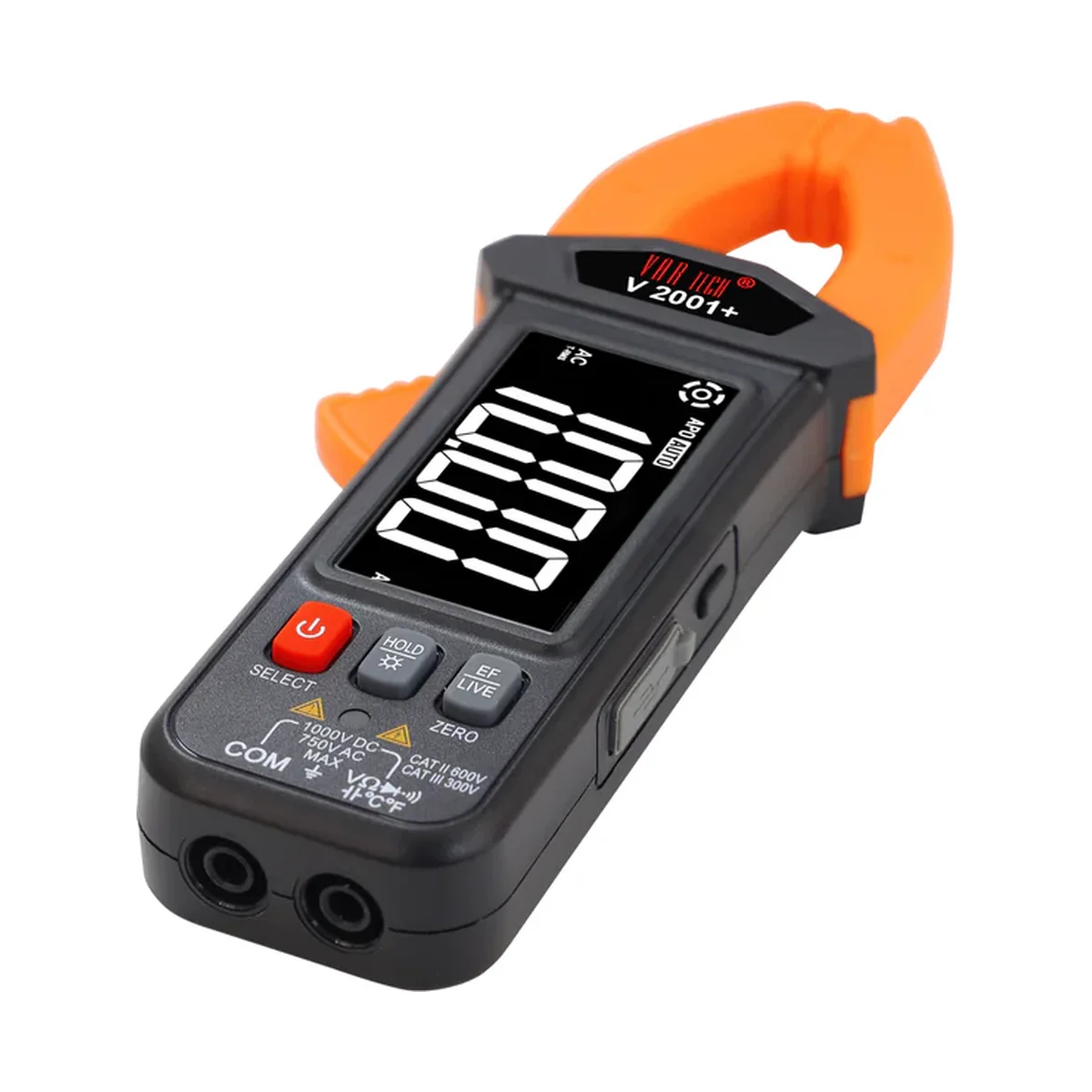
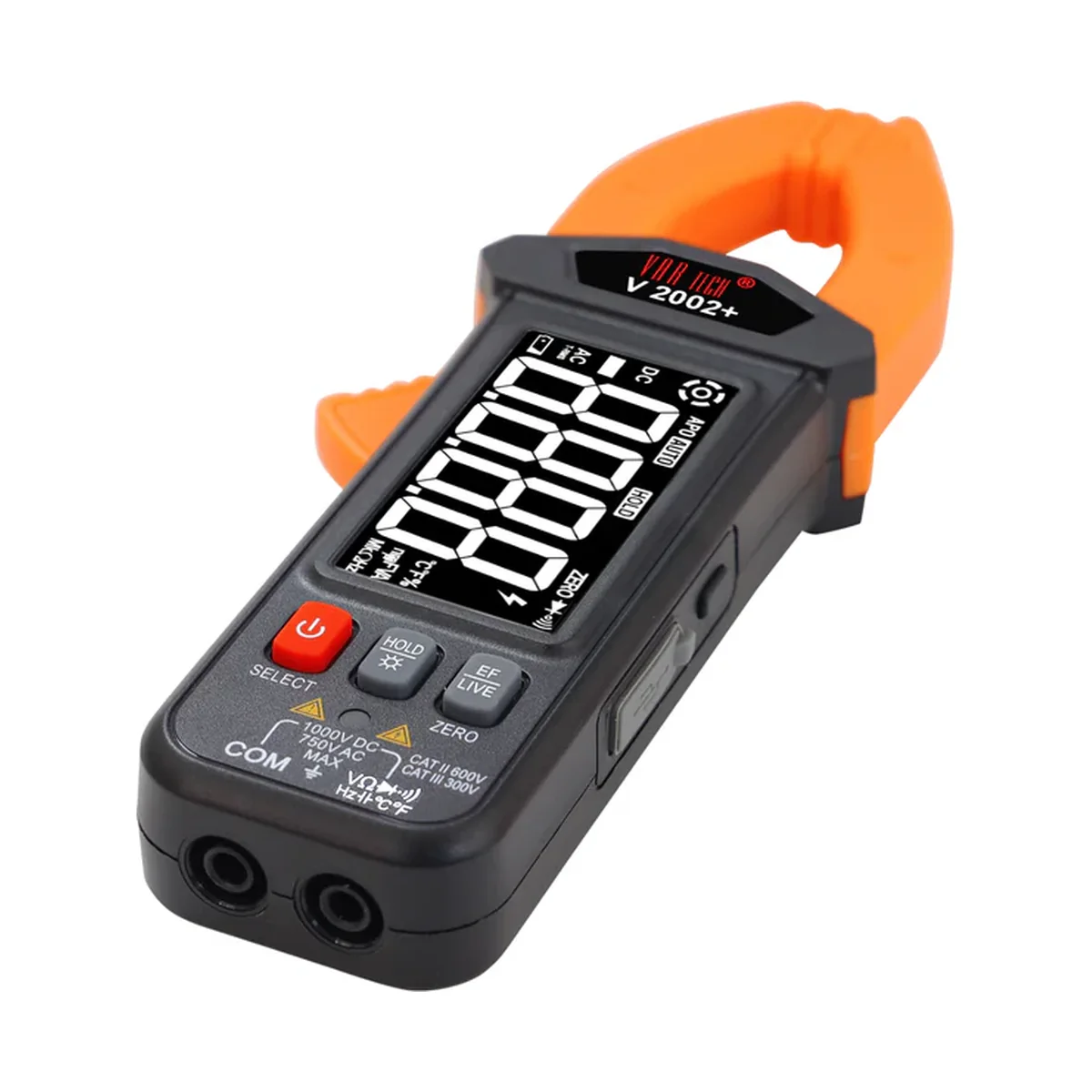
- Low-current ranges help when you measure small leakage currents. The V 2002+ is built for milliamp leakage checks.
Extras
- Voltage, resistance and continuity make it a clamp multimeter.
- Capacitance and frequency help with motor and HVAC work.
- Data hold and backlight are useful in tight, dark panels.