Workshop setup · 6 min read · 20 October 2026
Build a PCB repair bench: the instruments you actually need
A practical list for setting up an electronics repair bench: multimeter, soldering station, hot air, power supply, scope and lighting.
Whether you repair phones, TVs, industrial boards or power supplies, a small set of instruments gets you most of the way. Here is the order we suggest you buy them in.
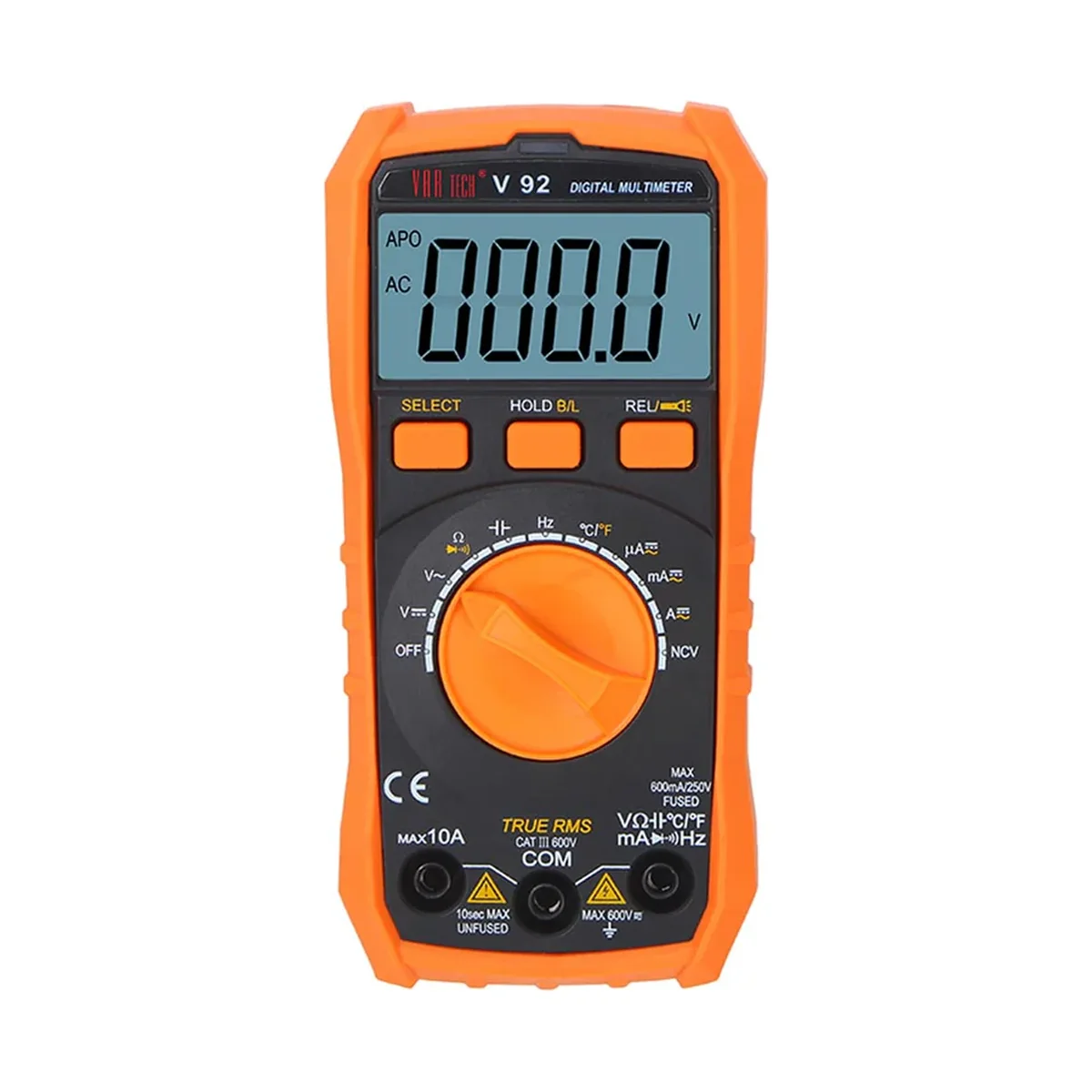
- A good multimeter. Start with a True RMS auto-ranging meter. It tells you whether a supply rail is there and whether a part is open or shorted.
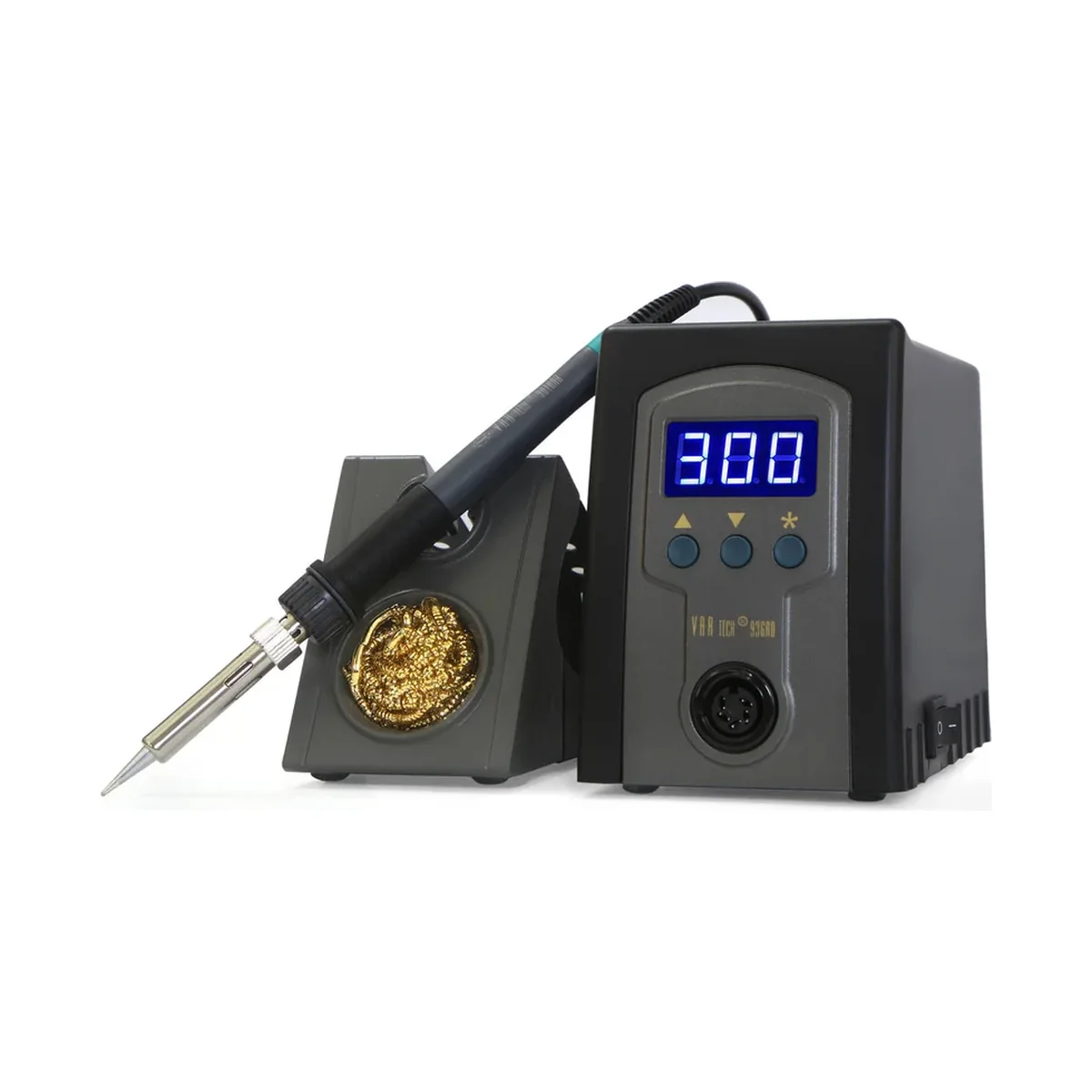
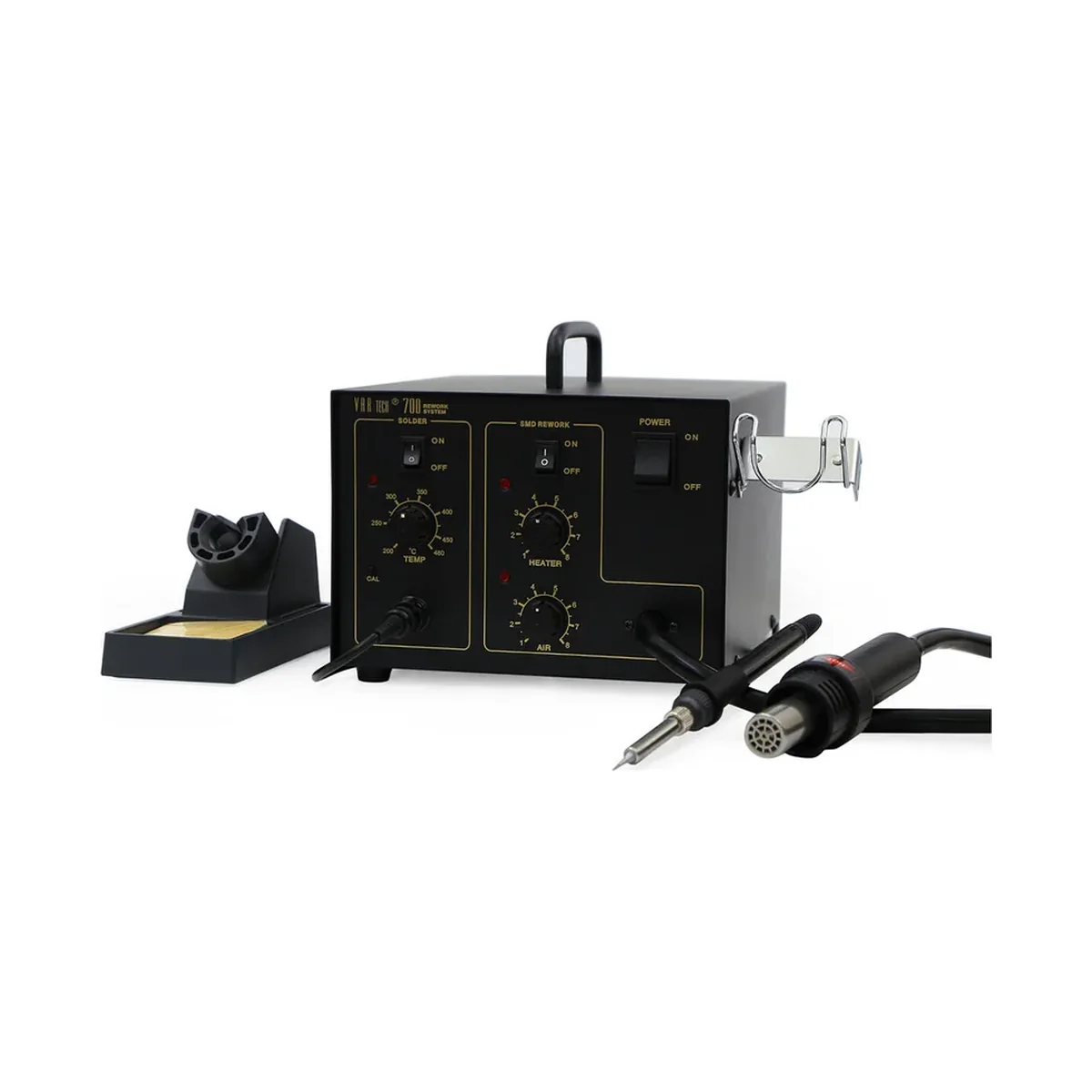
- A temperature-controlled soldering station. Better joints, longer tip life, and you can choose the temperature for the solder you use.
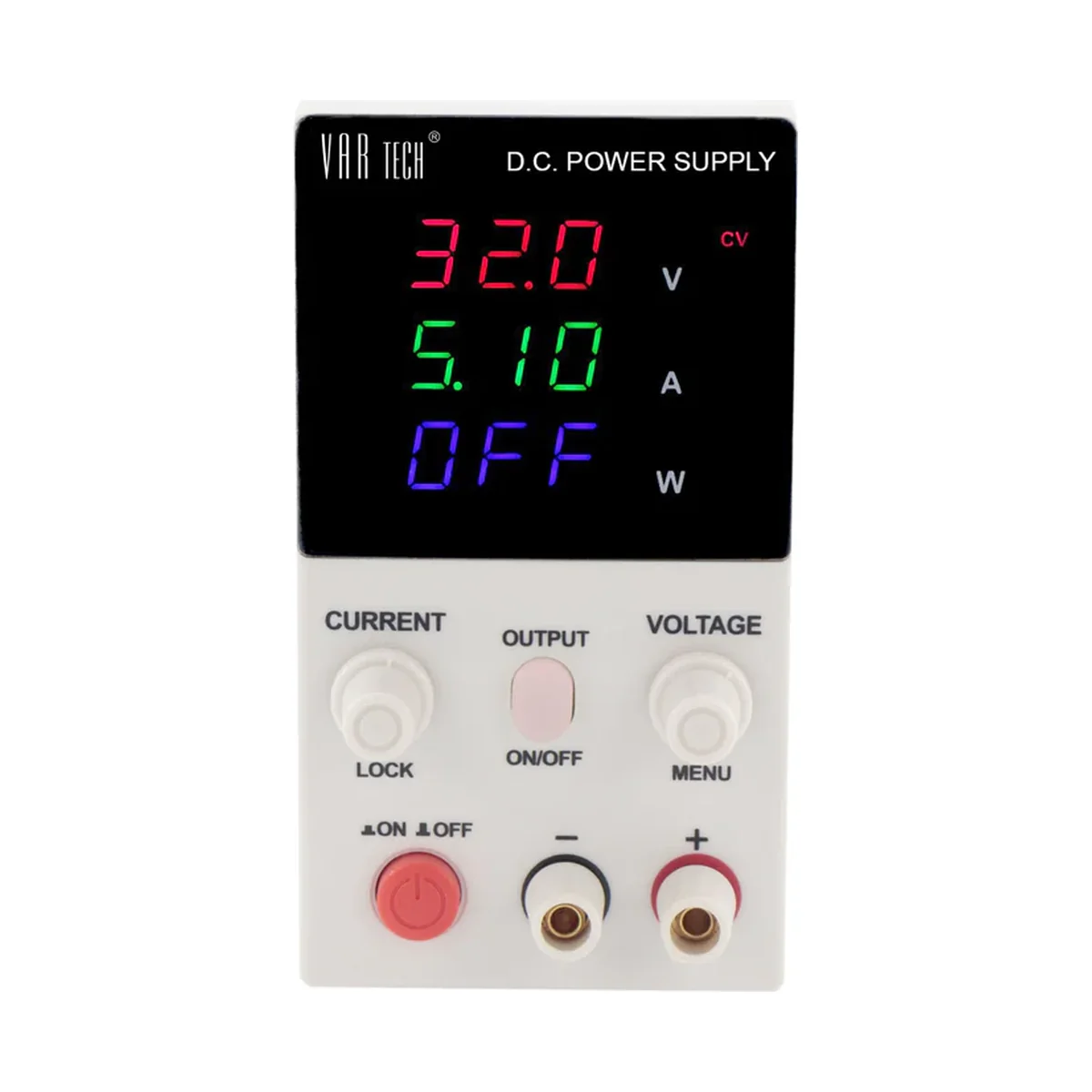
- A bench power supply with current limit. Power up a repaired board safely and find shorts without burning anything.
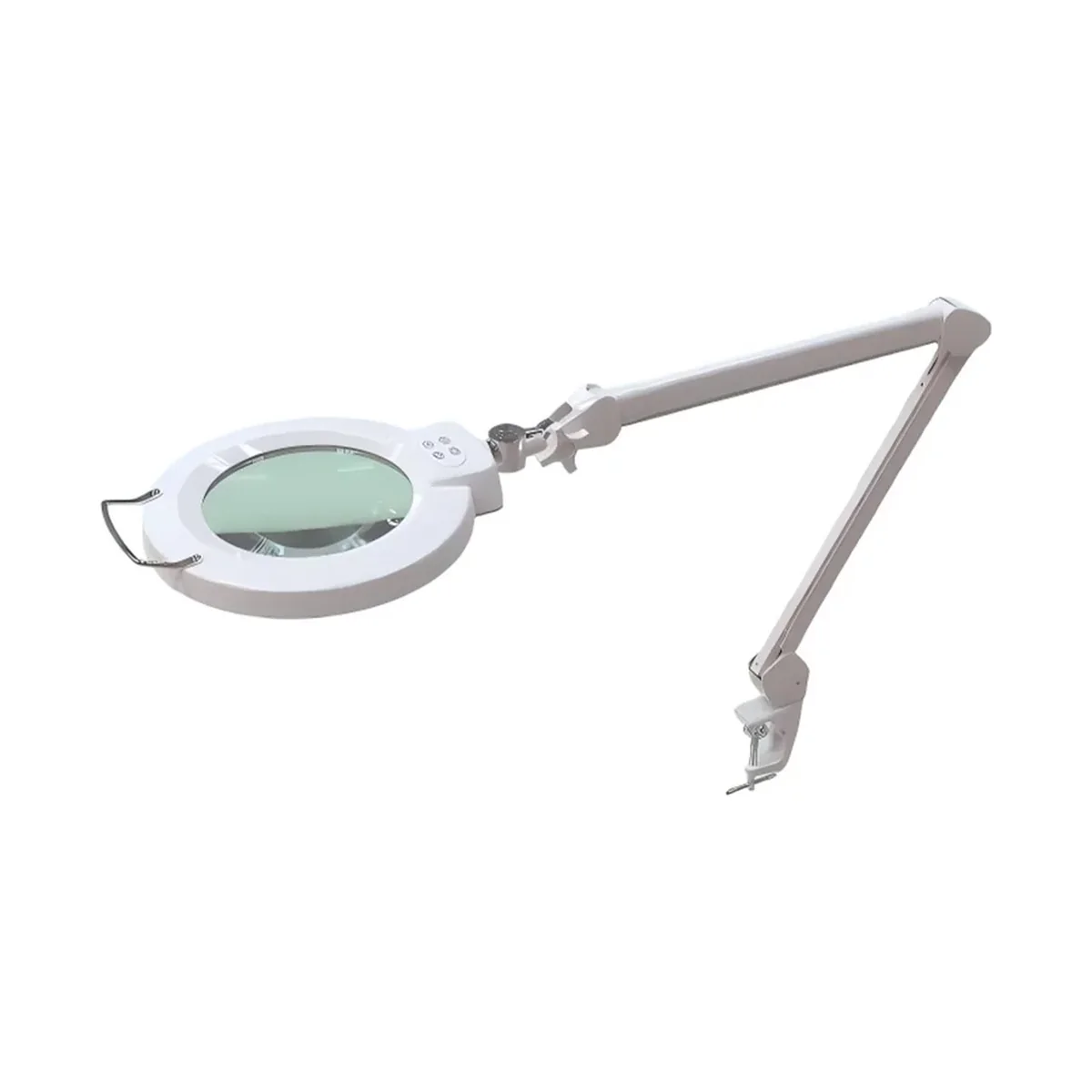
- A magnifying lamp. Small parts and fine joints are easier to see, and your eyes will thank you.
- A hot-air or 2-in-1 SMD station. Once you work on surface-mount boards, hot air removes and places parts that an iron cannot.
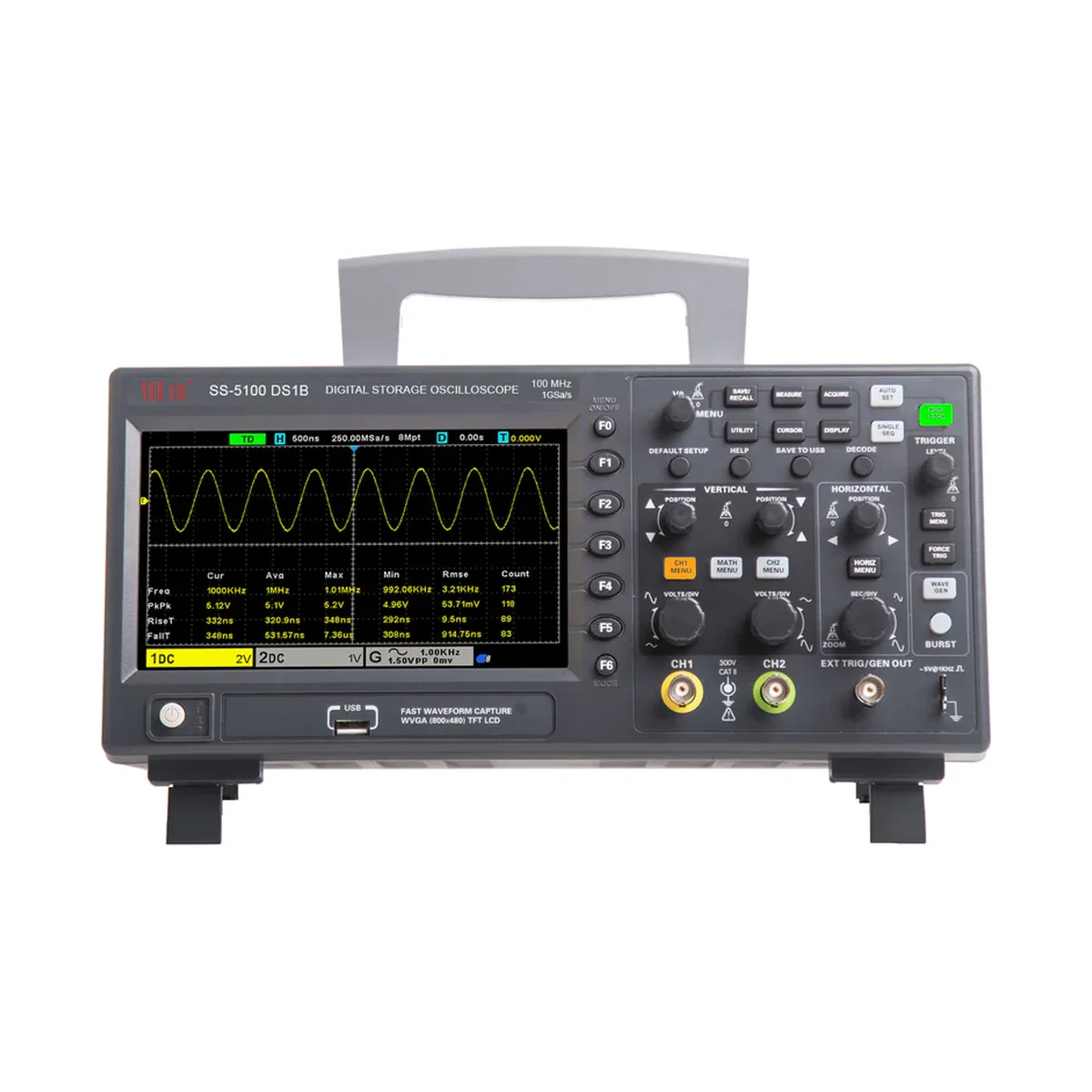
- An oscilloscope. When a multimeter cannot tell you why a circuit misbehaves, a scope shows the signal.
- A fume extractor. Solder fumes build up. A small extractor is cheap and good practice.
Where to start if budget is tight
Multimeter, soldering station and magnifier. Those three cover a surprising amount of repair work. Add a power supply next, then hot air, then a scope as your work demands.
Keep spares on hand
Soldering tips and heating elements wear out. Check the Accessories & Spares range for bits, barrels and elements for your station.
Tip. Buy an ESD-safe station and wear a wrist strap if you work on modern boards. Static damage is silent.