Buying guide · 5 min read · 20 October 2026
Oscilloscope buying guide: bandwidth, channels and analog versus digital
The five-times rule for bandwidth, how many channels you need, and when an analog scope still makes sense.
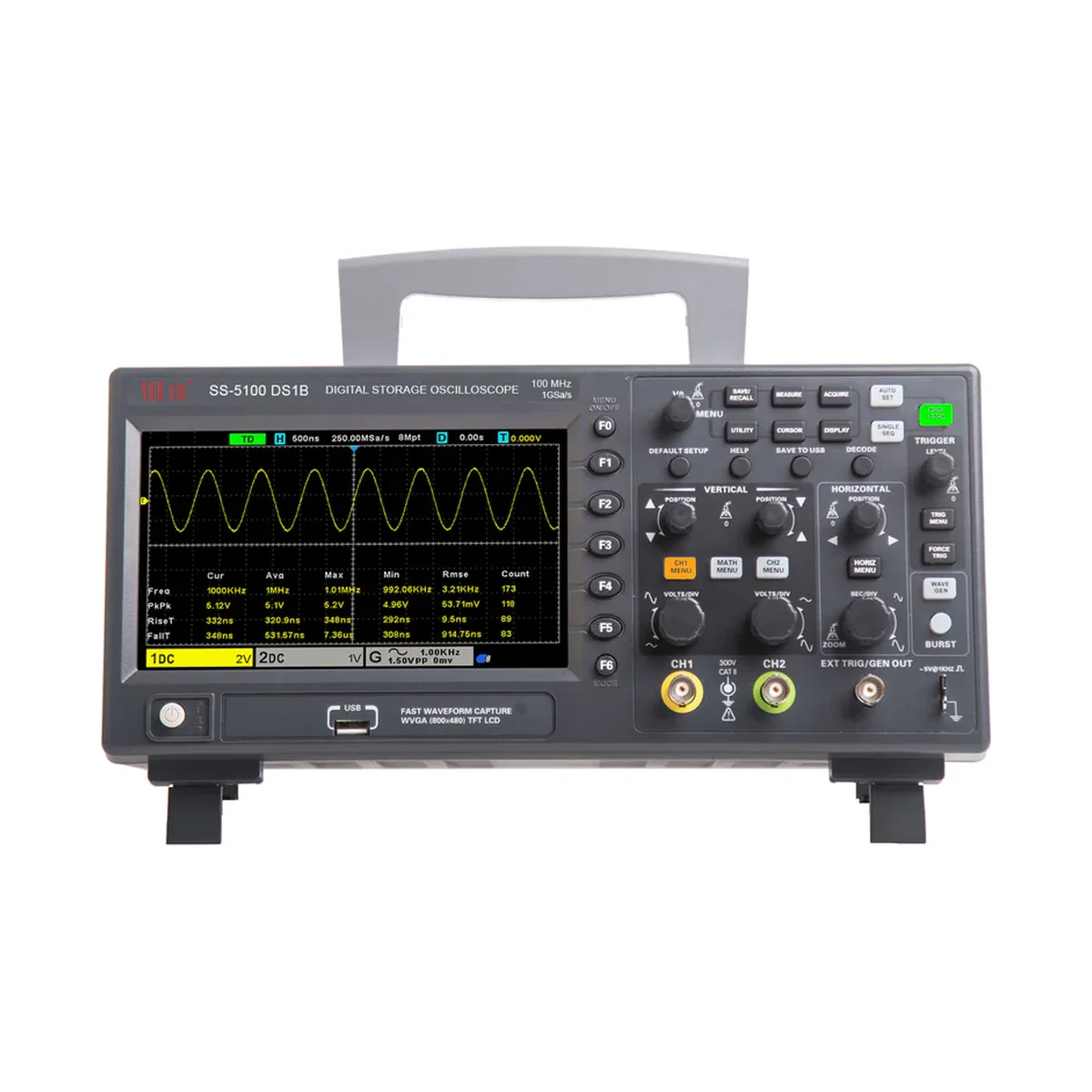
An oscilloscope lets you see an electrical signal. That makes it the most valuable diagnostic tool on an electronics bench. Three specifications matter most.
Bandwidth
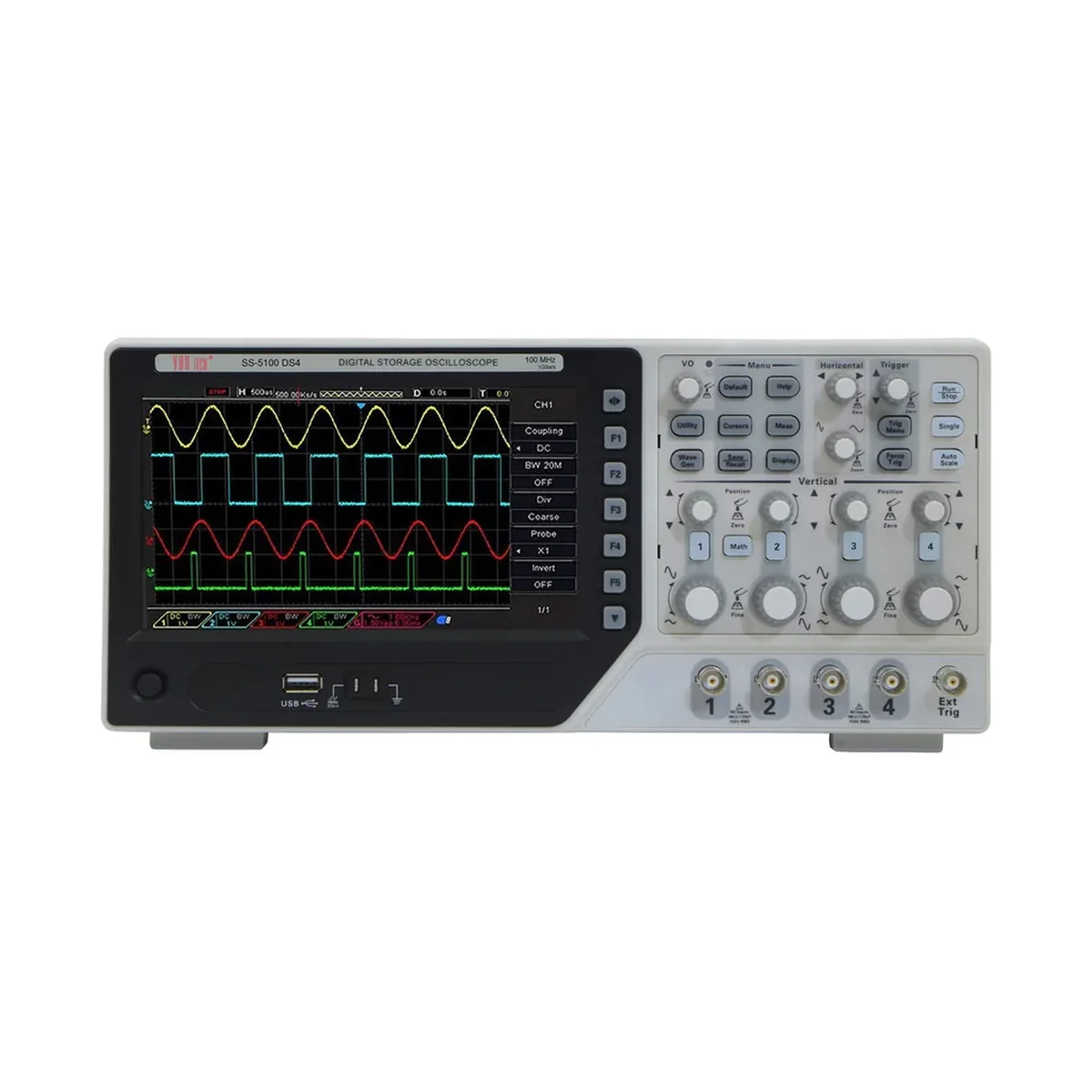
Bandwidth is how high in frequency the scope can measure accurately. A common rule is to choose a bandwidth at least five times the highest frequency you need to examine. A 100 MHz scope suits signals up to roughly 20 MHz, which covers most microcontroller and audio work.
Channels
Two channels cover most tasks, letting you compare input and output of a circuit. Four channels help when you work with multiple signals together, for example power electronics or digital buses.
Digital storage or analog
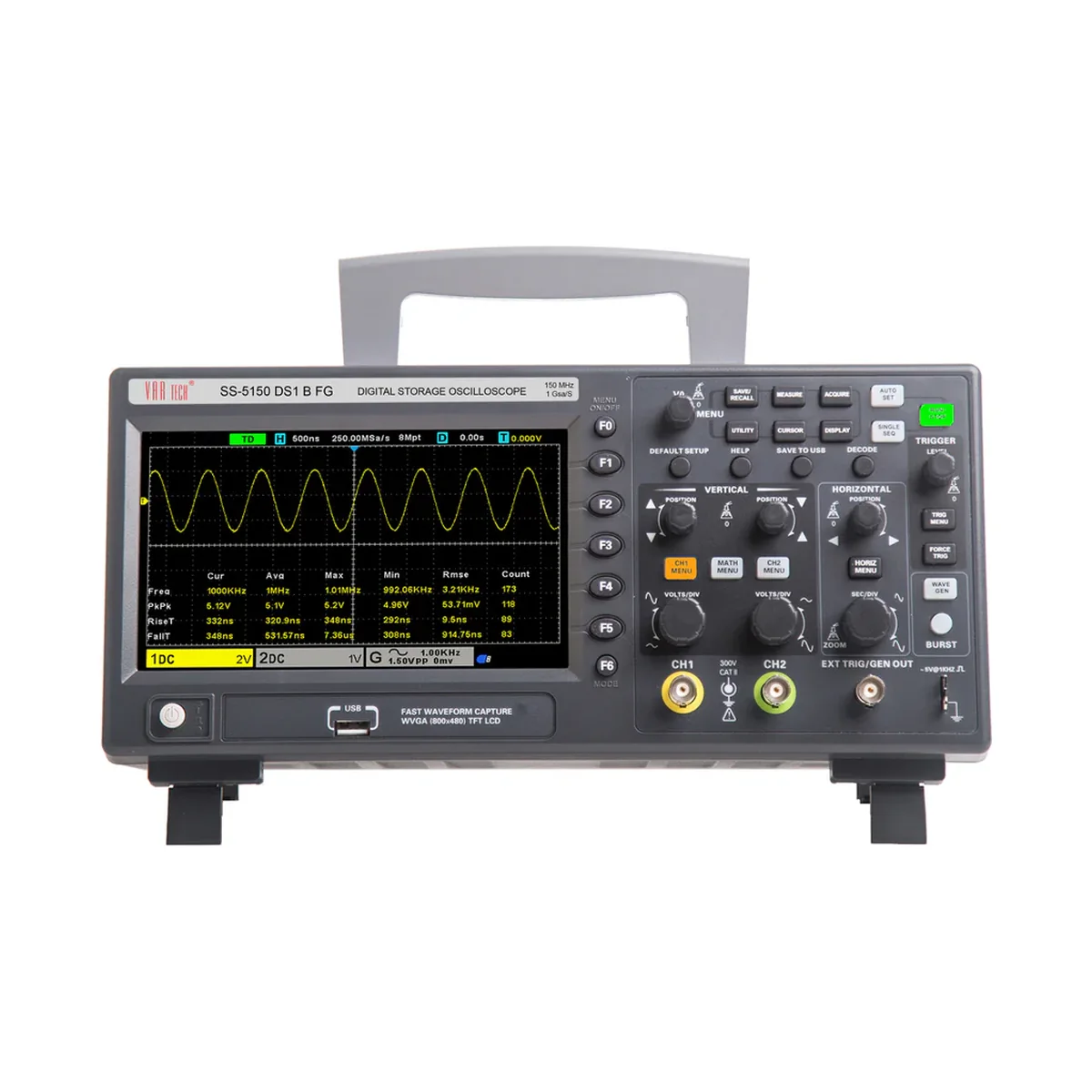
- Digital storage oscilloscopes (DSO) capture a waveform and hold it so you can study a one-off event, take measurements and save data.
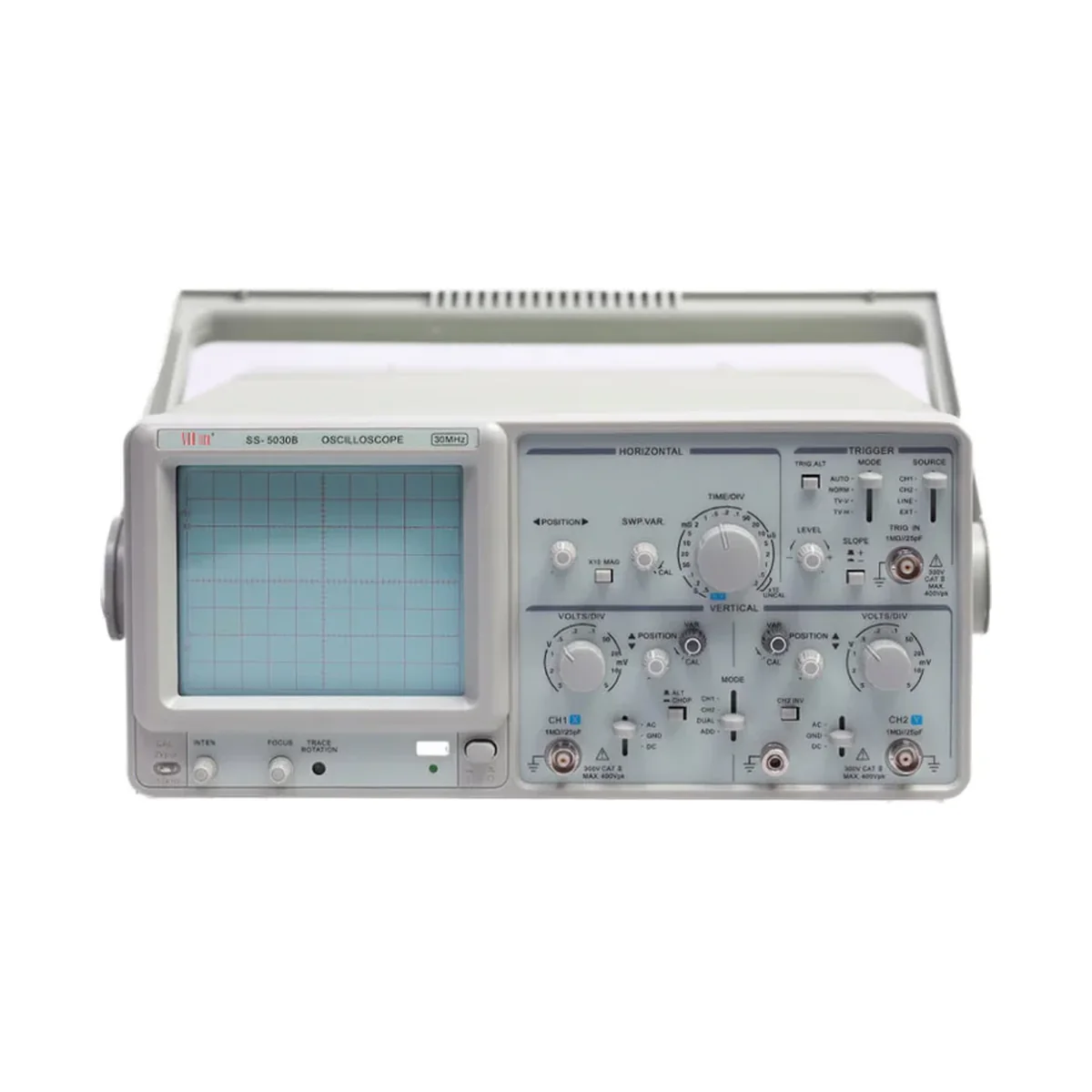
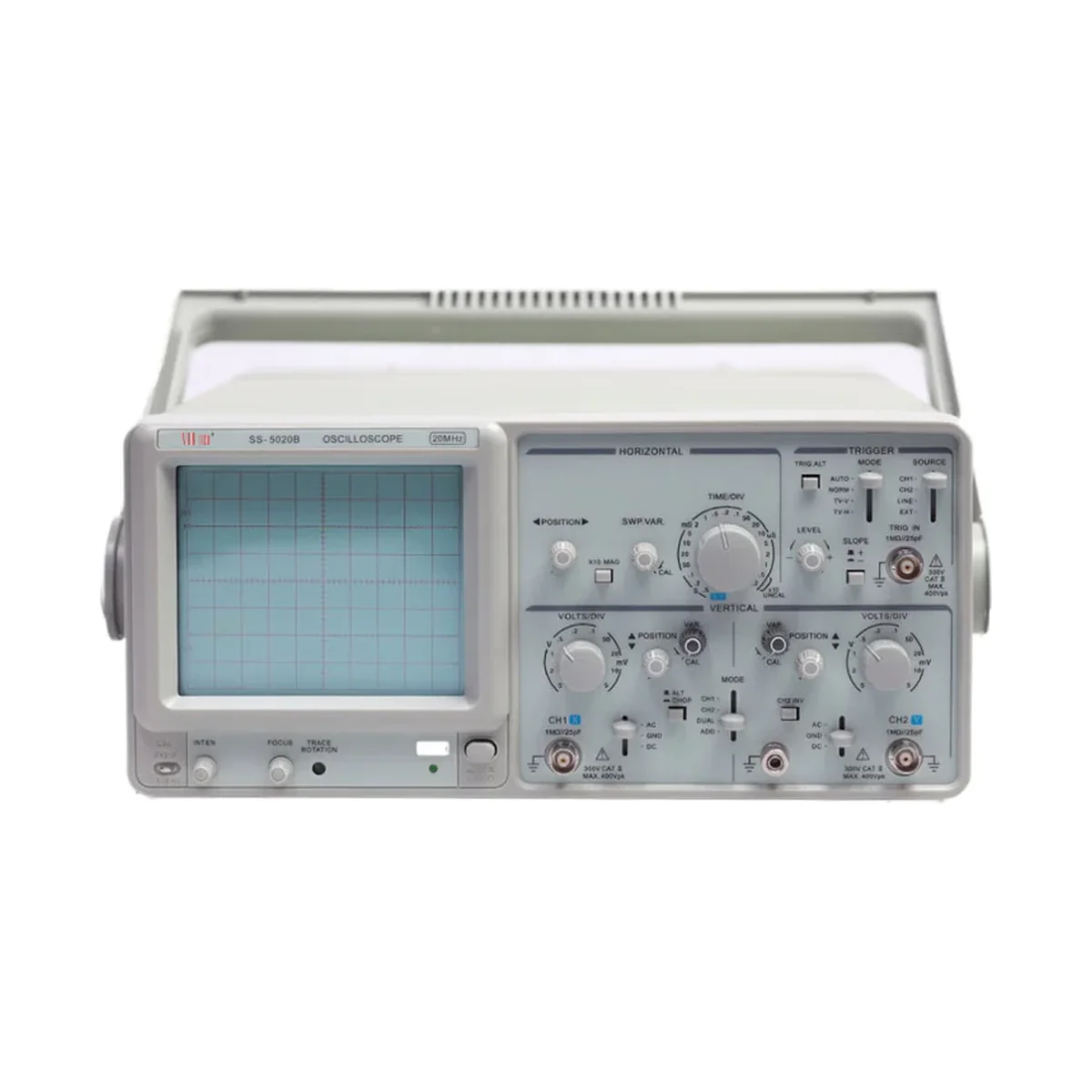
- Analog scopes (CRO) show a live trace with no processing delay. They are simple and still liked in teaching labs.
Built-in extras
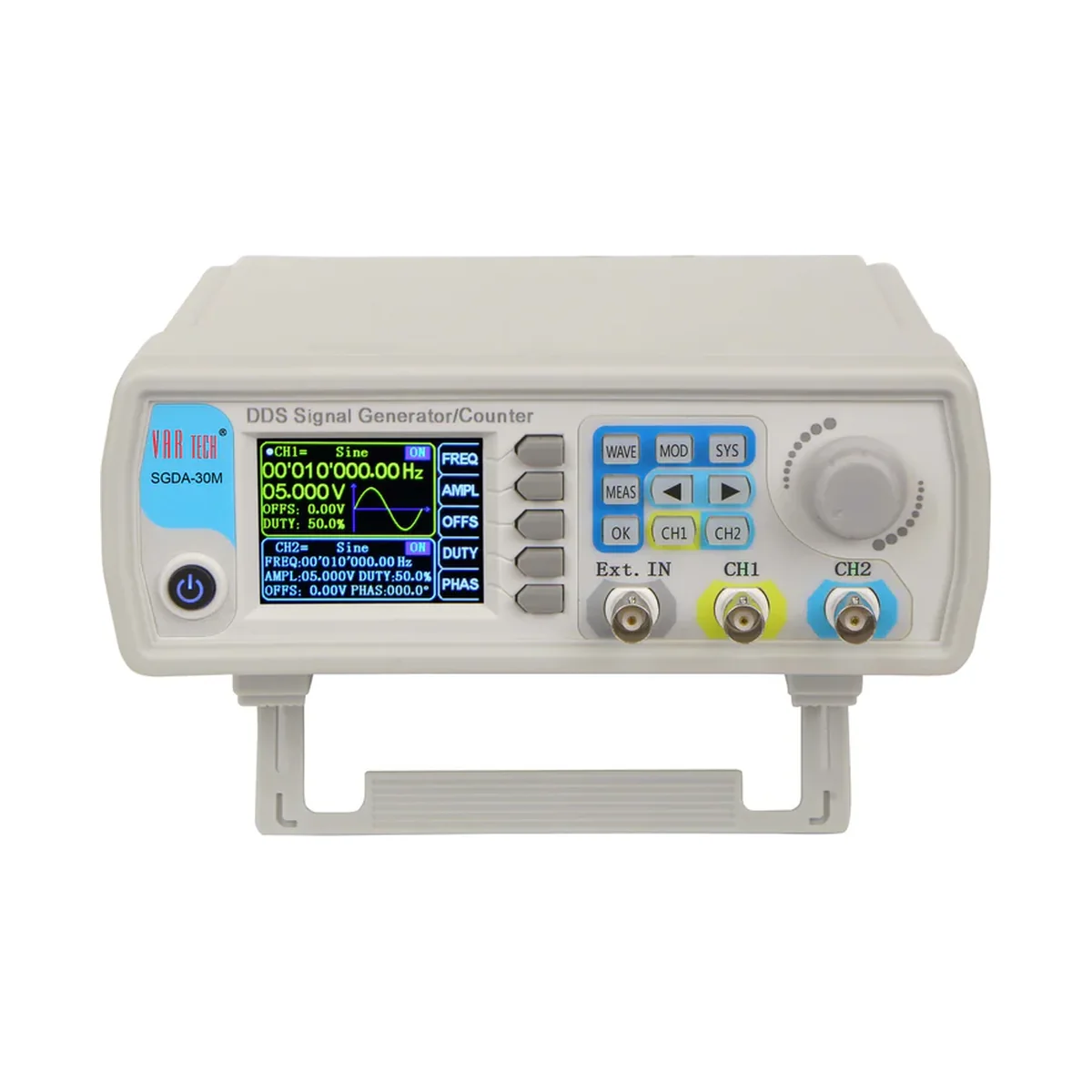
Some models add a signal generator, like the SS-5150DS1B FG, or a component tester, like the SS-5030BC. These save bench space and cost.