The short answer
Buy in this order: multimeter, soldering station, magnifier, bench power supply, hot-air station, oscilloscope. The first three get you through a surprising amount of repair work. The rest add as your jobs demand.
The essentials, in order
- A multimeter. It answers the first question on every fault: is there supply, is it continuous, is that part open or shorted? An auto-ranging True-RMS model such as the V 92 is a good first buy.
- A temperature-controlled soldering station. Better joints, longer tip life and control over the heat your boards see. The 936 A or 936 AD is the sensible start.
- A magnifying lamp. Fine joints and small parts are far easier to see and your eyes will thank you. A clamp-on LED lamp such as the 228 L keeps the bench clear.
- A bench power supply with a current limit. It lets you power up a repaired board safely and find shorts without burning anything. The 3005 S is the usual choice.
- A hot-air or 2-in-1 SMD station. Once you work on surface-mount boards, hot air removes and refits parts that an iron cannot.
- An oscilloscope. When a multimeter cannot explain why a circuit misbehaves, a scope shows the signal. A 100 MHz digital scope covers almost all repair work.
- A fume extractor. Solder fumes build up. A small extractor is cheap and good practice.
Three bench setups
| Bench | Multimeter | Soldering | Inspection | Power | Hot air | Scope |
|---|---|---|---|---|---|---|
| Starter | V MAS 830 LB or M 890 | 936 A | 268 L or 8093 LED | 3005 S | - | - |
| Serious repair | V 92 | 936 AD | 228 L | 3010 S | 857 D or 706 | SS-5100DS1B |
| Professional | V 980 or V 981+ | 202 D or 236 ESD | 228 LXD | PPS-3010 S | 861 DW + 853 ESD | SS-5100DS4 or SS-5150DS1B FG |
Choosing a magnifying lamp
- Lens size: 90 mm to 125 mm lenses suit most benches. The 7-inch and rectangular models show a much wider area at once.
- Magnification: 3 dioptre with a 12 dioptre inset lens for close inspection, or 5 dioptre for wider work. The 228 L and 228 L II are available in 5 or 8 dioptre.
- Lighting: LED lamps are cooler and last longer. Dimmable models with warm and cool light (228 LXD, 228 LRD) are easier on the eyes over a long day.
- Mounting: a table clamp saves bench space; a weighted base is easy to move.
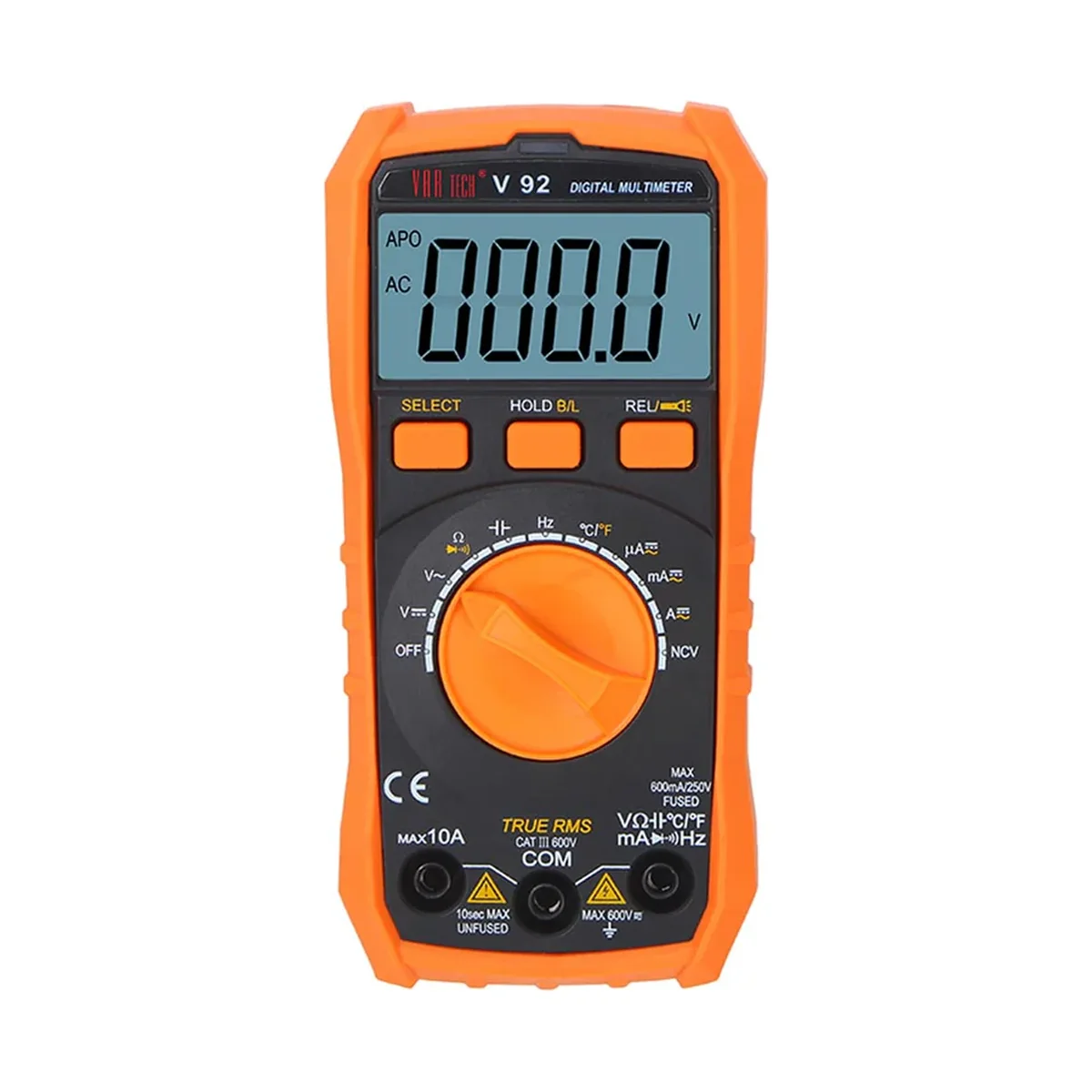
First multimeter
 V 92
Digital Multimeter True RMS Auto Ranging
Auto-ranging True RMS, 6000 counts, NCV, temperature and capacitance.
₹1,700
₹2,600 35% off
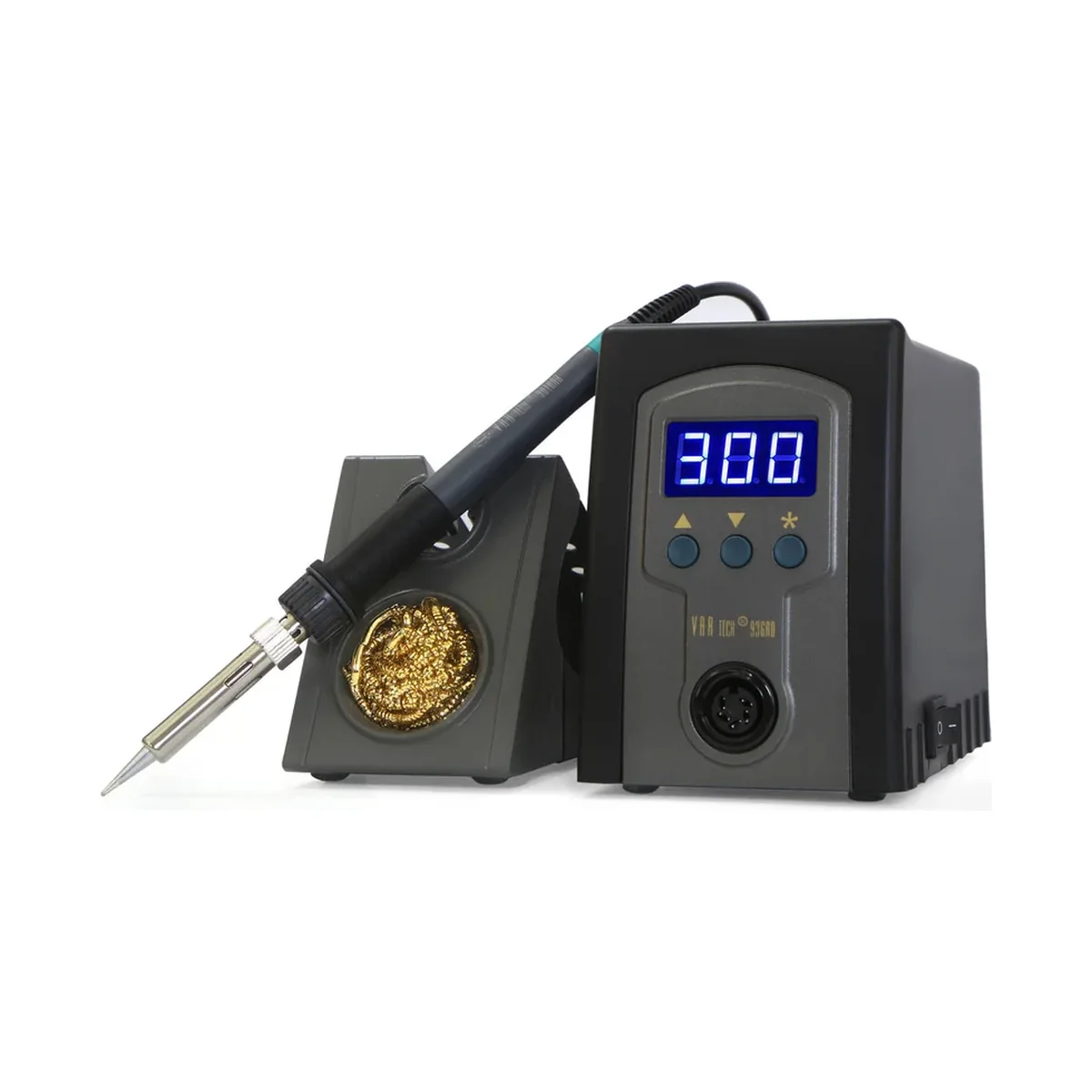
Soldering station
936 AD
Digital Soldering Station, 70 W, 3-Channel Memory
Digital 70 W with three memories and a password lock.
₹7,000
₹10,500 33% off
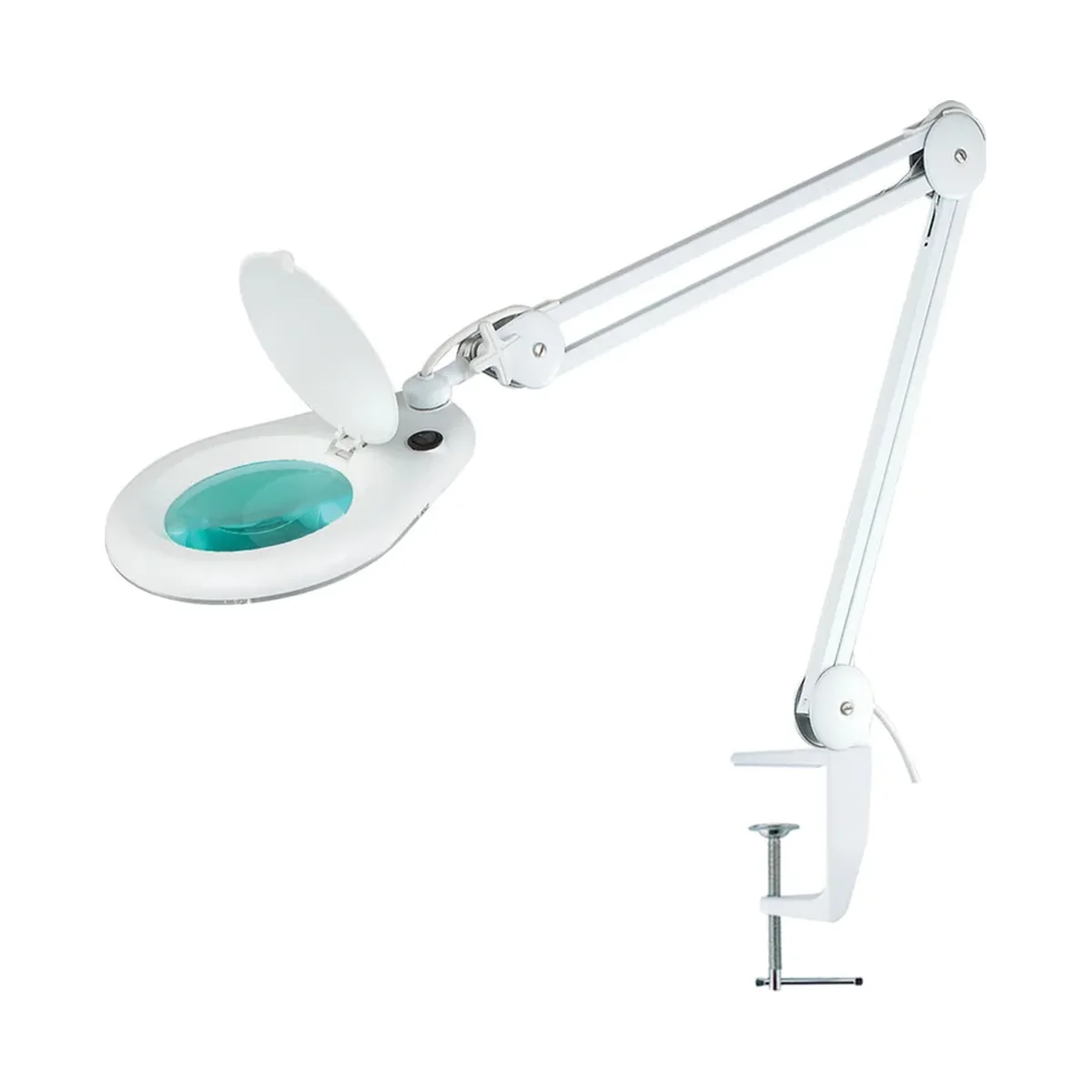
Clamp-on magnifier
228 L
LED Magnifying Lamp, 125 mm Lens, Table Clamp, Sturdy Arms
125 mm lens, 5 or 8 dioptre, sturdy folding arms.
From₹5,900
₹8,500 31% off
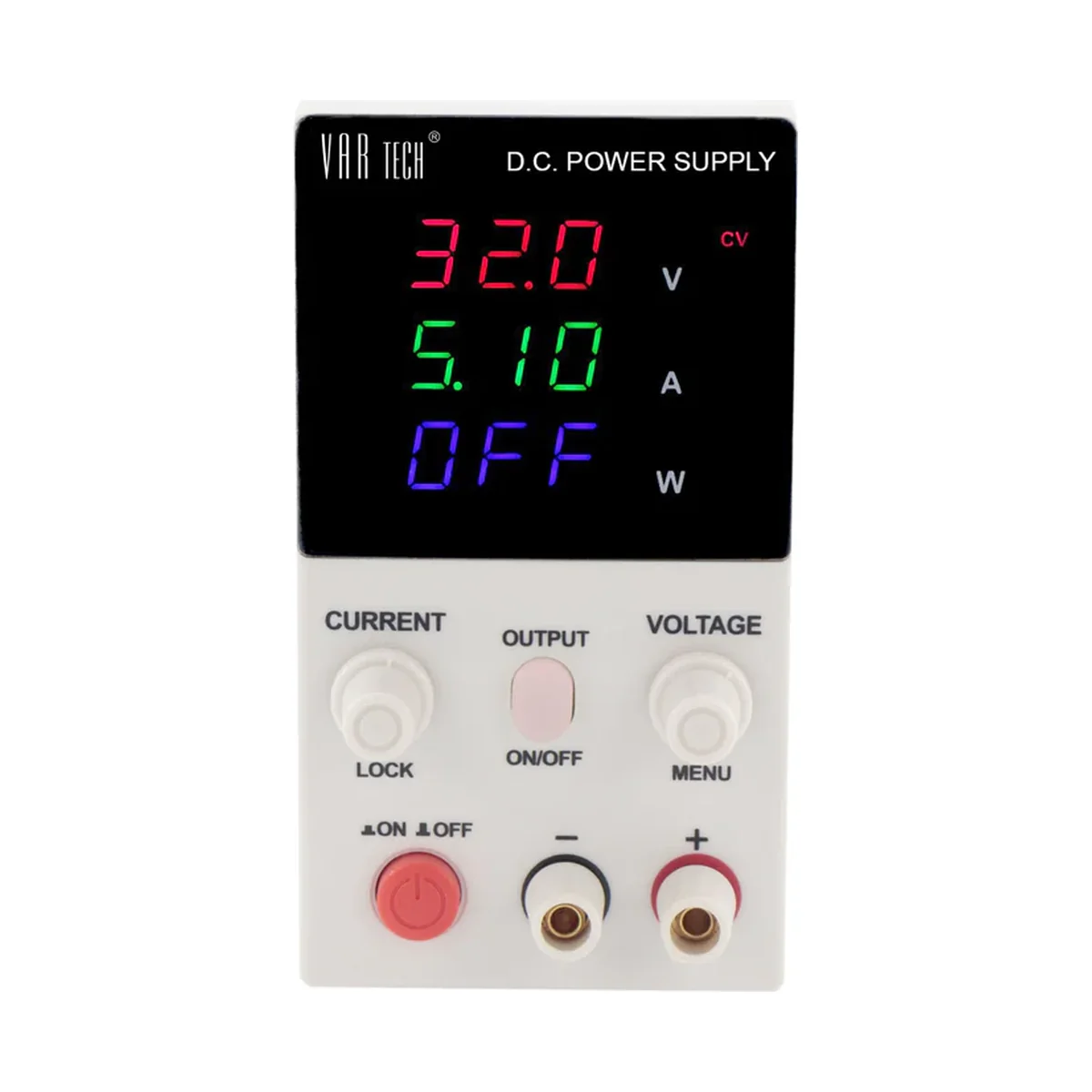
Bench power supply
3005 S
30V / 5A Slim SMPS DC Regulated Power Supply (150W)
30 V, 5 A with coarse and fine controls and full protection.
₹6,550
₹10,500 38% off
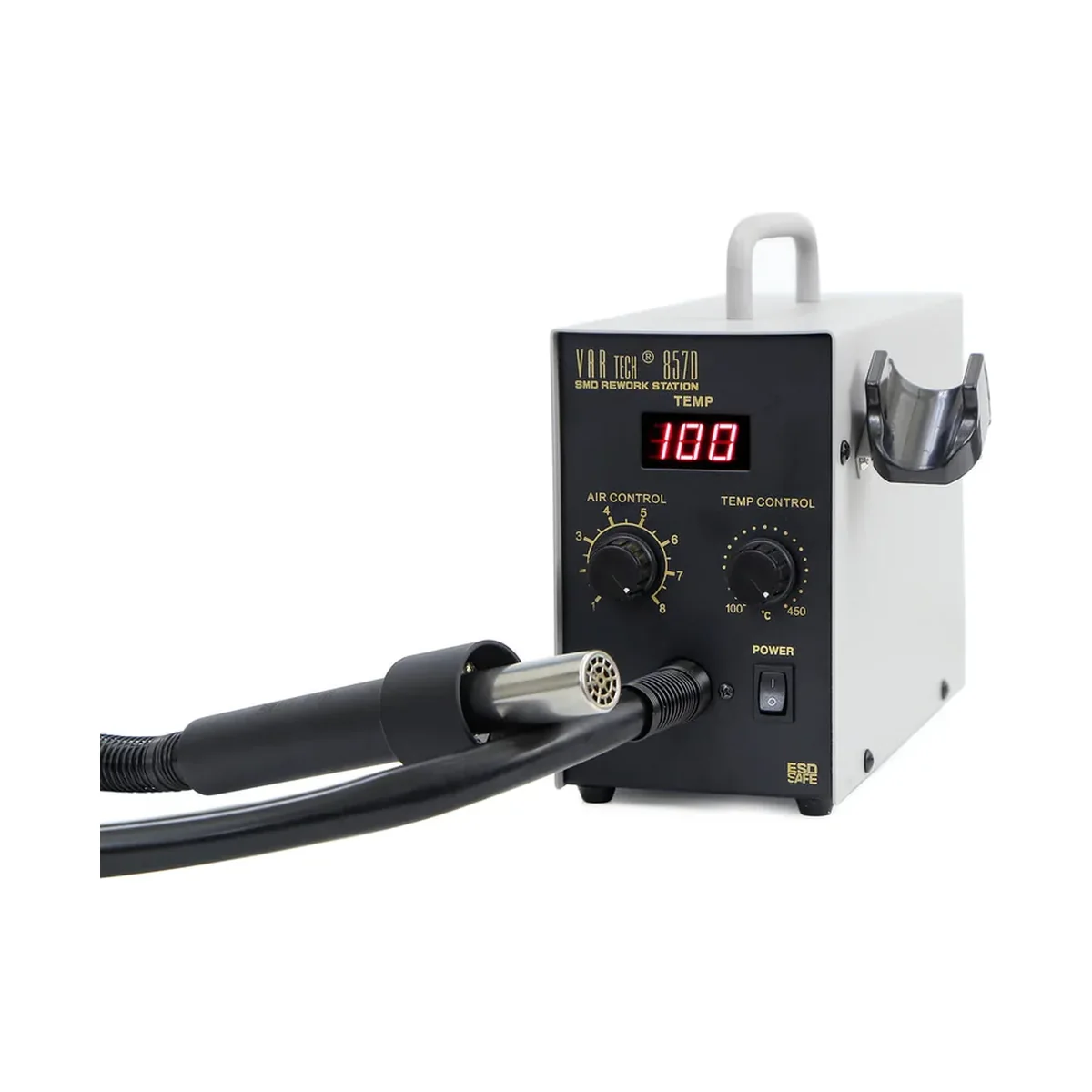
Hot-air station
857 D
Digital SMD Re-Work Station, 580 W
580 W with soft airflow and a handle sensor.
₹8,600
₹14,000 39% off
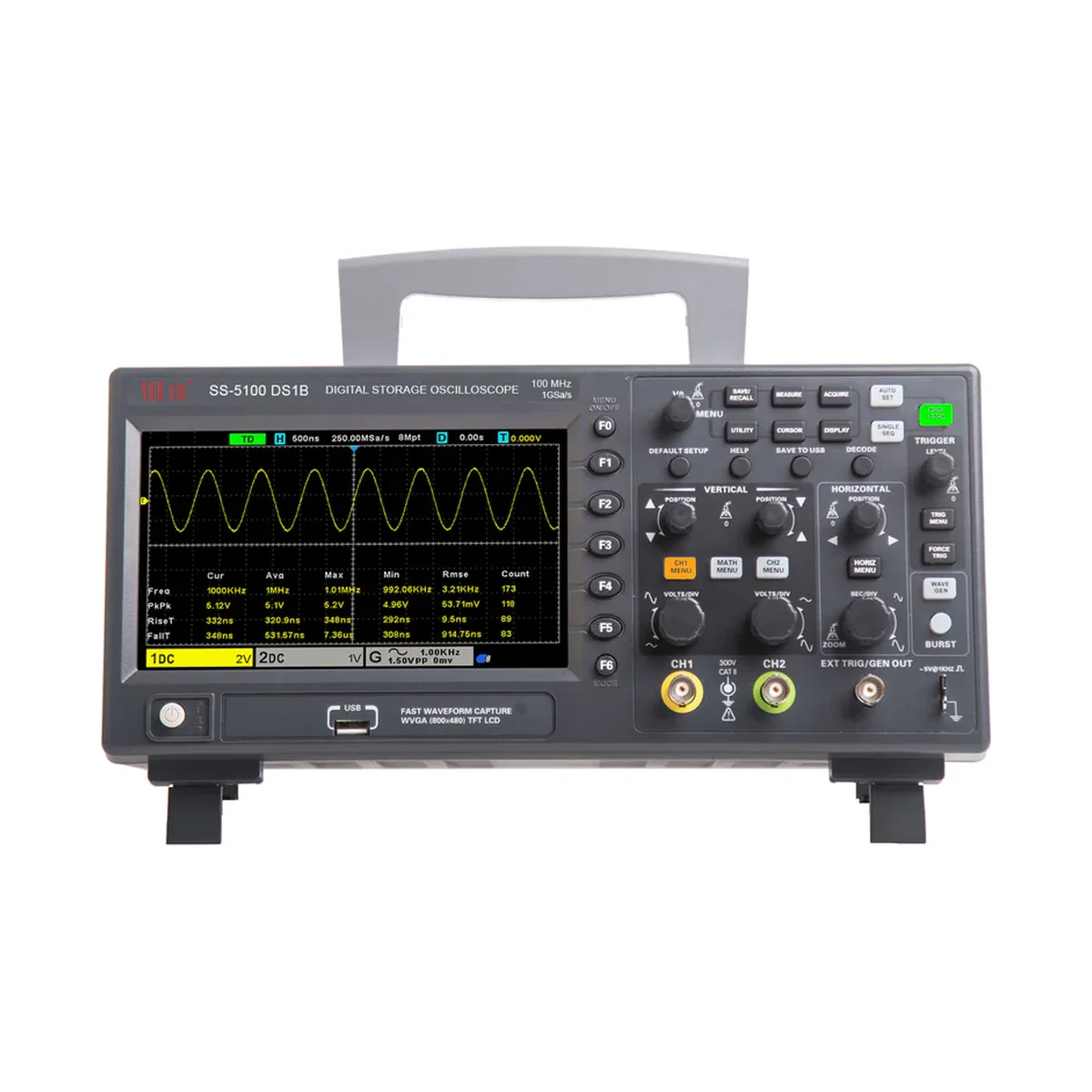
Oscilloscope
SS-5100DS1B
100 MHz Dual Channel Digital Storage Oscilloscope (DSO)
100 MHz, 1 GS/s, 4M record, 7-inch display.
₹26,000
₹40,000 35% off
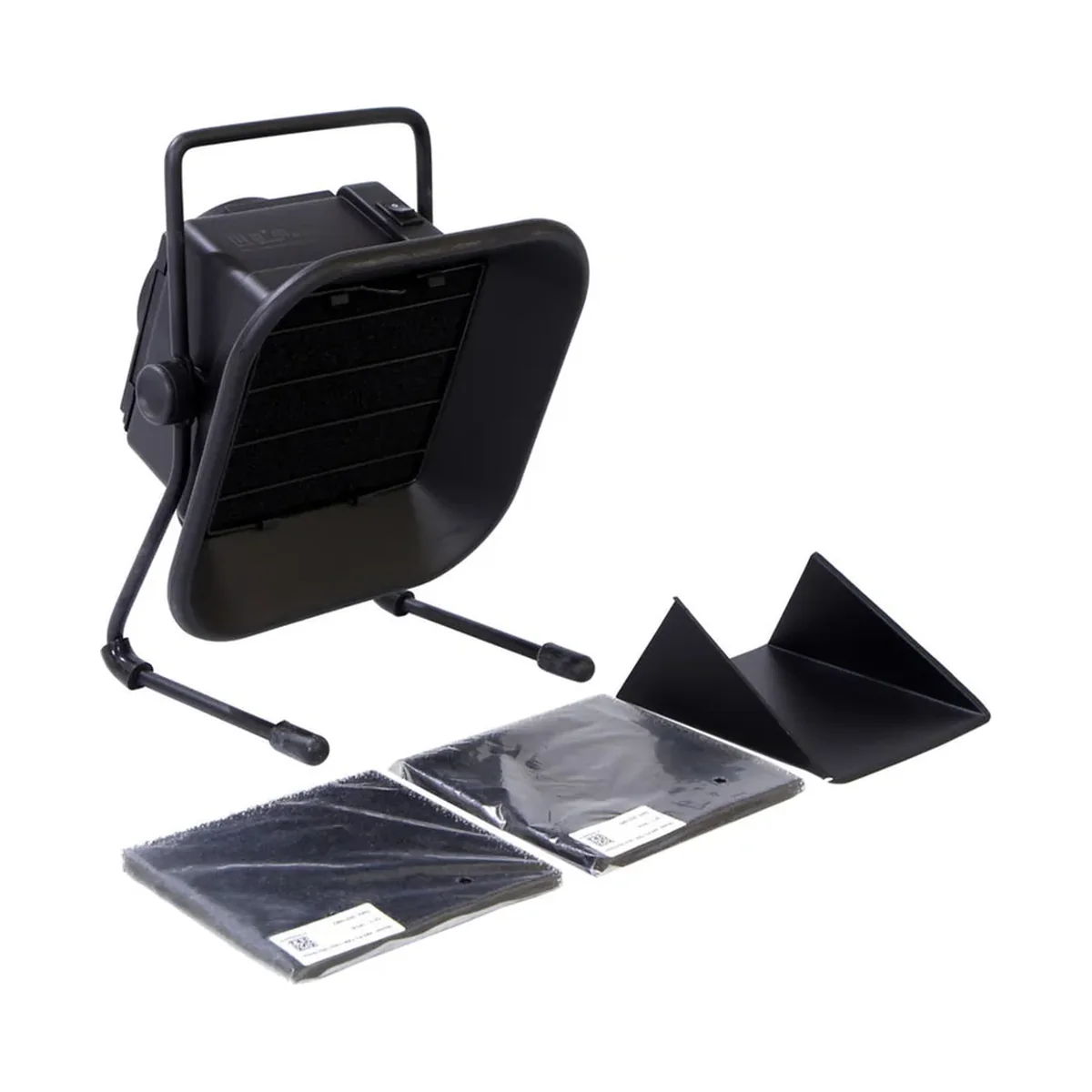
Fume extractor
493 ESD
Smoke Absorber / Solder Fume Extractor
Replaceable carbon filter, about 1 m³ of air per minute.
₹4,995
₹7,500 33% off
Keep spares on hand
Soldering tips wear out, and heating elements eventually fail. Keep a spare tip in the shapes you use most and know which element fits your station. Our guide to soldering stations lists what fits what.
What is the minimum I need to start repairing electronics?
A multimeter, a soldering station and a magnifier. Add a power supply next, then hot air, then a scope as your work demands.
Do I need a 2-in-1 station?
It saves bench space if you need both hot air and an iron. If you already have a soldering station you like, a stand-alone hot-air station is the other route.
Hot air or oscilloscope first?
If your repairs are mostly replacing surface-mount parts, hot air first. If you diagnose faults in running circuits, the scope.